





One summer evening, I watched brightly striped bumblebees gathering pollen from hydrangea blossoms. As they moved from flower to flower, I noticed dragonflies darting among the bushes; their delicate wings were colorful and clear. Curious, I wondered if dragonflies pollinate flowers the way bumblebees do.
A quick Google search revealed that dragonflies are considered “accidental pollinators.” As they land on flowers, pollen may cling to their legs and be carried to other blooms. Unlike bumblebees, however, they do not intentionally seek pollen.
That discovery made me think about my own prayer life. Do I intentionally talk to God—actively seeking His presence as persistently as bees pursue pollen—or are my prayers more accidental, like dragonflies that touch flowers only by chance? Do I know God well enough to call on Him anytime, in any circumstance? Is prayer my first response when challenges arise, as it was for King Jehoshaphat in 2 Chronicles 20:1–30?
In this Old Testament story, King Jehoshaphat learned that three nations were planning to invade Judah, and Judah felt overwhelmed. His response was simple but powerful—he gathered the people together to pray for God’s help.
Jehoshaphat admitted their helplessness, praying, “We do not know what to do, but we look to you” (2 Chronicles 20:12). Then God spoke through Jahaziel, who assured them, “Do not be afraid or discouraged because of this vast number, for the battle is not yours, but God’s” (2 Chronicles 20:15). Even with a big battle ahead, they trusted God.
God honored that trust by giving Judah a remarkable victory. What began as a moment of fear ended in joyful worship. Their victory began with intentional, trusting prayer.
Jehoshaphat was not an “accidental” prayer warrior. He didn’t turn to God by chance or as a last resort. Prayer was his first response because his relationship with God was intentional and active.
What about you? Is your prayer life intentional and consistent, or do you seek God only by chance? Do you want to seek God throughout your day? We have direct access to God because of the work of Christ, so we can always speak to God (Hebrews 4:16). Here are four practical ways to begin.
Breath Prayers for the Busiest Moments of Your Day
Breath prayers fit naturally into everyday life—while cooking, washing dishes, folding laundry, meeting deadlines, calming upset children, or navigating a busy schedule. Christians have used breath prayers for centuries, taking God’s words and speaking them back to Him. When fear or uncertainty arises, Scripture provides stability and peace.
Simply breathe and enter into a sacred exchange with God.
I began using breath prayers when I was diagnosed with cancer twenty-five years ago. My husband knew that deep breathing helped calm me, so together we paired Scripture with each breath. During that season, and many times since, I have prayed the words of Psalm 56:3:
Breathe in: When I am afraid
Breathe out: I will trust in You
When I face uncertainty, breath prayers steady my heart because my focus shifts from myself to my Savior.
Joshua 1:8 reminds us, “Let the words from the book of the law be always on your lips. Meditate on them day and night so that you may be careful to live by all that is written in it. If you do, as you make your way through this world, you will prosper and always find success” (VOICE, emphasis added). The more that we meditate on Scripture, the more faithful we will be to God.
Breath prayers can be spoken anytime, anywhere, to keep God close throughout your busy day. Here are a few examples:
Fear—Psalm 27:1
Breathe in: The LORD is my light
Breathe out: Whom should I fear?
Trust—Exodus 14:14
Breathe in: The LORD will fight for me
Breathe out: I only have to be still
Forgiveness—Psalm 51:1
Breathe in: Be gracious to me, God,
Breathe out: According to Your faithful love
Anxiety—Psalm 46:1
Breathe in: God is my refuge and strength
Breathe out: A present help in trouble
Strength—Nehemiah 6:9
Breathe in: Now strengthen
Breathe out: My hands
Comfort—Psalm 3:3
Breathe in: You, LORD
Breathe out: Are a shield around me
Lectio Divina: A Slow, Prayerful Way to Read Scripture
In addition to breath prayers, invite God into your day through the ancient practice of lectio divina (Latin: “divine reading”). Christians have used this prayerful approach to Scripture for centuries to deepen their relationship with God.
To begin, set aside at least ten minutes to read a short Scripture passage. Ask the Holy Spirit to help you notice phrases that stand out.
First, in lectio, read the Scripture passage twice. Spot a verse or passage that captures your attention. Then, recite that verse or passage out loud.
In the meditatio stage, reflect on the Scripture’s meaning, considering how to apply it to your life.
In the oratio step, respond to God. Talk with Him about what you have read and how it challenges, encourages, or comforts you.
In the final stage, contemplatio, rest quietly in God’s presence, enjoying Him and what He has shown you.
As you move through these four stages, allow each step to lead naturally into the next. Consider using the Psalms for lectio divina. You could read Psalm 19:7–14 out loud and then read it again slowly. Find a verse that resonates with your spirit, perhaps verse 14. Muse on how that verse relates to you: “May the words of my mouth and the meditation of my heart be acceptable to you, LORD, my rock and my Redeemer.”
Perhaps knowing that God is your Redeemer has great meaning; during oratio, confess your sins to Him or praise Him for the forgiveness you have received through Christ. Or maybe it is powerful to remember that He is your Rock because you need His strength today as you face a difficult challenge. The plea to live an “acceptable” life before God may become a personal prayer. Whatever part resonates with you, talk to God about your reflection. Then ponder your Bible reading. Continue reflecting on what you discovered throughout your day, allowing His Word to shape your thoughts and actions.
Keep a Journal of “God Moments”
To incorporate greater intentionality into your spiritual routine, consider keeping a journal of “God moments”—times you notice His forgiveness, His creation, and His work in your life. This journal could be a collection of photos, notes on your phone, or short reflections written by hand. If you are unsure where to start, try using simple prompts such as, “Where did I see God today?” or “How did God help me today?” These questions can help you begin documenting God’s faithfulness, deepen your awareness of Him, and foster gratitude.
I particularly enjoy my phone picture journal; over the years, I have snapped pictures of times when God has helped me—my wedding (being single until thirty-five), the completion of chemo (three times), and children’s achievements (seeing God’s provision). Looking back at these pictures helps me realize God’s work in my life and encourages me.
Psalm 111:2 (NIV) says, “Great are the works of the LORD; they are pondered by all who delight in them.” A God journal acknowledges the Lord as you ponder His works, helping you rely on Him more.
Prayer Triggers That Turn Everyday Moments into Prayer
One more way to add prayer to your life is by using prayer triggers. A prayer trigger is anything—a person, object, or activity—that reminds you to pray.
For example, making dinner can trigger you to thank God for running water, plates, or forks. Passing a sick friend’s house can remind you to pray for healing. Walking in your neighborhood can inspire you to pray for your neighbors. When you see a banana or coffee label that lists its country of origin, pray for the people there and for revival in that country.
Prayer triggers strengthen your pursuit of intentional prayer, helping you “pray constantly” (1 Thessalonians 5:17), moment by moment.
Engaging in daily, intentional conversation with God not only honors Him but also transforms ordinary routines into sacred encounters. A whispered breath prayer, a moment of Scripture meditation, a journal entry, or a simple prayer trigger can turn your days into ongoing conversations with the Lord.
These intentional practices help move you from anxiety to peace, from uncertainty to trust, and from distraction to increased awareness of God. Just as bumblebees seek pollen on purpose while dragonflies gather it by chance, we can make our approach to prayer deliberate rather than accidental. Like Jehoshaphat, even when we don’t know what to do, we can look to God. So let’s make prayer our first response in every circumstance, pursuing God with the same persistence and purpose a bumblebee brings to gathering pollen.
If you liked this article, check out the related resources linked below!
Author Bio:
Pamela Vandewalker has served churches in Missouri, Texas, and Georgia, guiding worship, overseeing kids’ music, and managing worship programming. She has written extensively and received a Dove Award for God Made Me Special. She and her husband, David, recently moved to Tennessee, where she enjoys spending time with their kitties, reading, walking, and praying for others.
Unlock a 10% off coupon!
Related Resources:
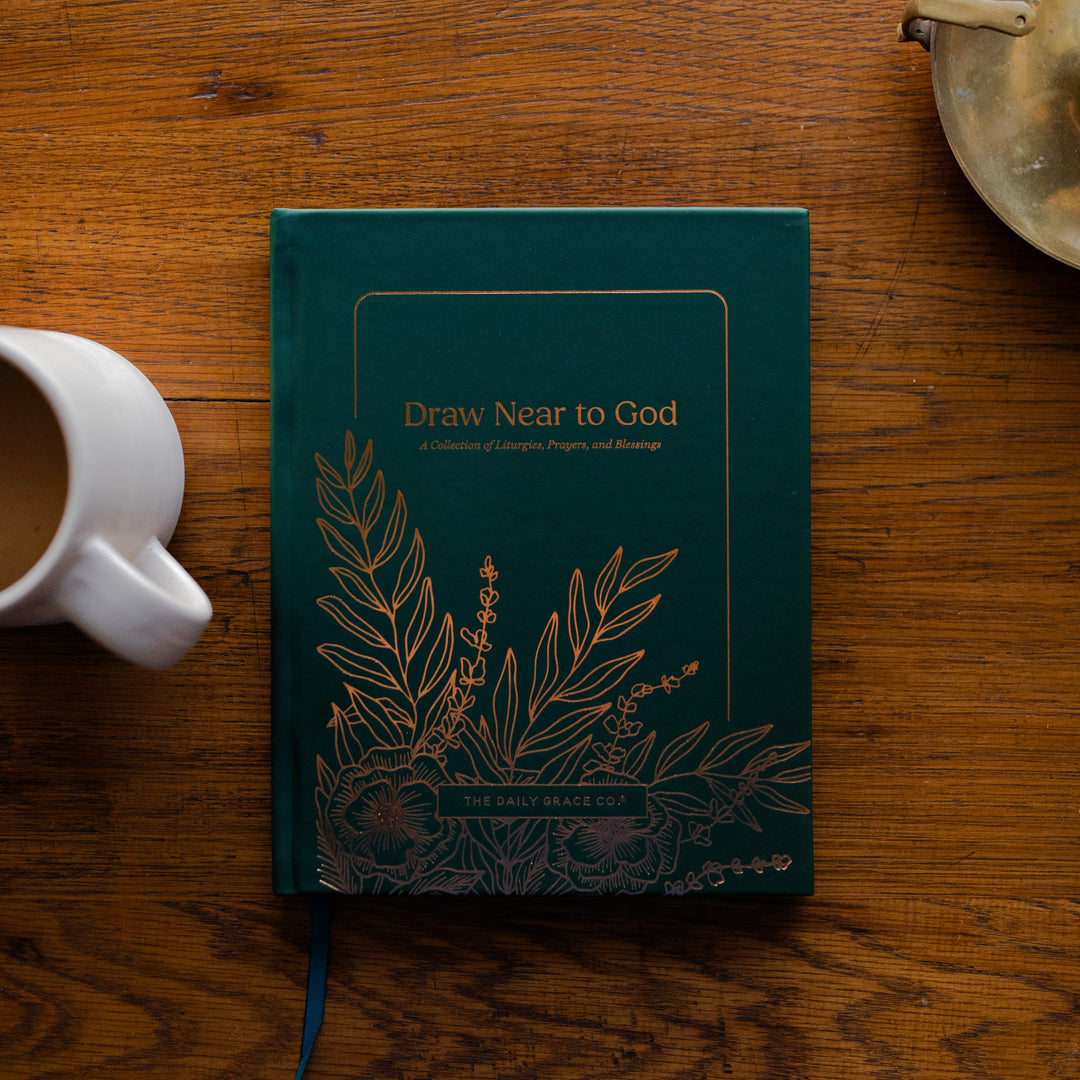
| Pray Bible Study | Draw Near to God | How to Grow in the Practice of Prayer | |||
 Loading price… |
 Loading price… |
 |
|||
| Add to Cart | Add to Cart | View Blog |