




The black and white image on the baby monitor shifts. You see it from the corner of your eye. Then comes that familiar whimper. You set down the cup of decaf coffee you just brewed for yourself.
Sigh.
You can always microwave it when the baby goes back to bed—if the baby goes back to bed. This is the fifth time you’ve done the delicate dance: the cautious inching into the dark bedroom, the calculated lowering of arms, the retreat of your hand from underneath the swaddled body by centimeters, the breath caught in your throat, the triumphant escape from the room for a moment’s quiet at the end of the day—then, shattered by a plaintive whimper. Awake.
All illusions of bedtime affording that much anticipated hour or two of “me time” evaporate as you clutch your now wailing baby to your chest and allow him to fall asleep in your arms for the night. He won’t be going in the crib, and you won’t even have a chance to change into your pajamas.
In the night watches and early wake-ups, the meals delayed by an infant that needs to eat on demand, the events spent in a back room consoling your child instead of participating in the human interactions you used to take for granted, it can be easy to feel like you are being used up by motherhood.
Perusing social media when you’re in the deep mire of those feelings only exacerbates the issue: Posts constantly warn that if you don’t put yourself first, your mental health will suffer. Influencers urge you to teach your baby to be more independent, practice self-care, preserve your personal interests and hobbies at all costs, and, above all, don’t lose yourself in motherhood.
Don’t get me wrong, we should prioritize taking care of ourselves, and our mental health—especially postpartum—can be truly fragile. But are we ever really at risk of losing ourselves—our identities—to the demands of motherhood? Or does the threat of this outcome place just one more burden on the tired mother desperately trying to serve the needs of her child? Is it possible that, in the mystery of God’s plan for our sanctification, those missed moments of “me time” are actually reinforcing our true identities in Christ?
The Source of Identity
Before we accept the dire prediction that the sacrifices of motherhood will sap each of us of a meaningful personal identity, we should look at where the world thinks identity comes from.
Though most people don’t have a robust psychological definition of identity, a lot of our casual cultural understanding of this aspect of ourselves is influenced by ideas like eighteenth-century philosopher David Hume’s Bundle Theory, that our identities are a collection of skills, interests, feelings, and experiences unique to us. In other words, your identity doesn’t have an inherent defining factor; it is defined by all the qualities it might take on throughout your life.
Consider how painfully fragile this understanding of identity can be. The loss of a job resulting in a role change causes a fundamental shift: You are no longer the same person you were when you held that title. Your last child goes to college and you face a crisis: Isn’t your identity, at least in part, defined by the title of “parent”? You suffer an injury and have to give up a pursuit that you’ve dedicated years of your life to: You ask yourself, Doesn’t “musician” or “athlete” define any part of me?
Without these things that we have begun to see as defining factors of our identities, we can feel empty, invisible, unoriginal—like we have nothing uniquely ours to offer the world. After all, if these things are the spring from which our identity flows, and they get cut off . . . we truly are in danger of losing ourselves at every moment.
Our Identity in Christ
The real source of our identities is much more stable. From the moment of our creation, God defined who we are. Genesis 1:27 says, “So God created man in his own image, in the image of God he created him; male and female he created them” (ESV).
As long as we’re breathing, we each have an identity as a bearer of God’s image, which is impossible to lose. And when we are born again by trusting in Christ, who is “the image of the invisible God” (Colossians 1:15), we are called to conform to Christ’s through the power of the Holy Spirit: “For those whom he foreknew he also predestined to be conformed to the image of his Son” (Romans 8:29a, ESV).
Philippians 1:6 reassures us that, through the power of God by sanctification, we will grow to live out this identity better each day: “And I am sure of this, that he who began a good work in you will bring it to completion at the day of Jesus Christ” (ESV).
What if the many unplanned moments of self-denial required by motherhood are evidence of the faithfulness of this promise? Though we may not have planned to give up a meal, a night’s sleep, or a moment’s rest for the needs of our children, each of these duties performed in love may be part of the good works God prepared for us in advance, intended to train our hearts to look more like His (Ephesians 2:10).
Hobbies, careers, relationships, and roles are all wonderful gifts given by God for us to enjoy, but none of them are the source or the intended end of our identities. As we pursue all of these good things, we do so in subjection to the greater goal—looking more like our Savior.
Reflecting a Self-Sacrificing Savior
With the true source and purpose of our identities in mind, self-sacrifice is not a threat to who we are but is a vital component of who we should be.
Consider Jesus’s example. Did He “lose himself” in the sometimes relentless crowds who begged Him for healing? On the contrary, His humble service when He walked among us as the God-man is a defining aspect of who He is. Of course, He took time to rest: He was setting an example for us in that as well (Luke 5:16, Mark 4:38, Mark 6:31–32). But He didn’t become “less Jesus” proportionate to His self-sacrifice.
Even through an infamous death by crucifixion, our suffering Savior retained and proclaimed His identity as the Son—the express image—of the creator God (Luke 23:46, Hebrews 1:3). It was through this sacrifice and His subsequent resurrection that Christ confirmed His identity as God in the flesh.
In Galatians 2:20, we see that the Apostle Paul’s famously impactful ministry was powered by an unwavering confidence in his identity as a reflection of his self-sacrificing Lord: “I have been crucified with Christ. It is no longer I who live, but Christ who lives in me. And the life I now live in the flesh I live by faith in the Son of God, who loved me and gave himself for me” (ESV).
Driven by this conviction, Paul was unafraid to give of himself to great extremes. In 2 Corinthians 12:15, he says to the Corinthian church, “I will most gladly spend and be spent for your souls” (ESV).
Reframing Your Perspective
Your identity is not author, artist, businesswoman, athlete, musician, or even mother. By God’s grace, it is compassionate, loving, self-sacrificing, patient, joyful . . . it is the communicable attributes of God working themselves out through your unique giftings.
The next time you have to set aside a project to respond to a crying toddler or only manage to brush through half your hair before responding to a meltdown (I’ve been there!), consider how our wise Father might be using the opportunity for self-sacrifice to reinforce your identity as a reflection of Him.
Though sleep-deprived and often stretched thin by the demands of motherhood, my heart is refreshed when I consider that, despite the warnings of the influencers and self-help gurus, . . .
- Motherhood is not a threat to my identity—nothing can shake who I am in Christ.
- Invisibility is not a threat to my identity—the more my earthly flesh fades away, the more Christ can shine through.
- Self-sacrifice is certainly not a threat to my identity—it is one of the most beautiful things about the Savior I was made to reflect.
Author Bio
With her background as a content developer for Christian museum exhibits, Valerie Lang is passionate about communicating the truth of God’s Word and His world in approachable and practical ways. She lives in Ohio with her husband, Nate, and her infant son, Nikodemos.
Unlock a 10% off coupon!
Additional Resources:
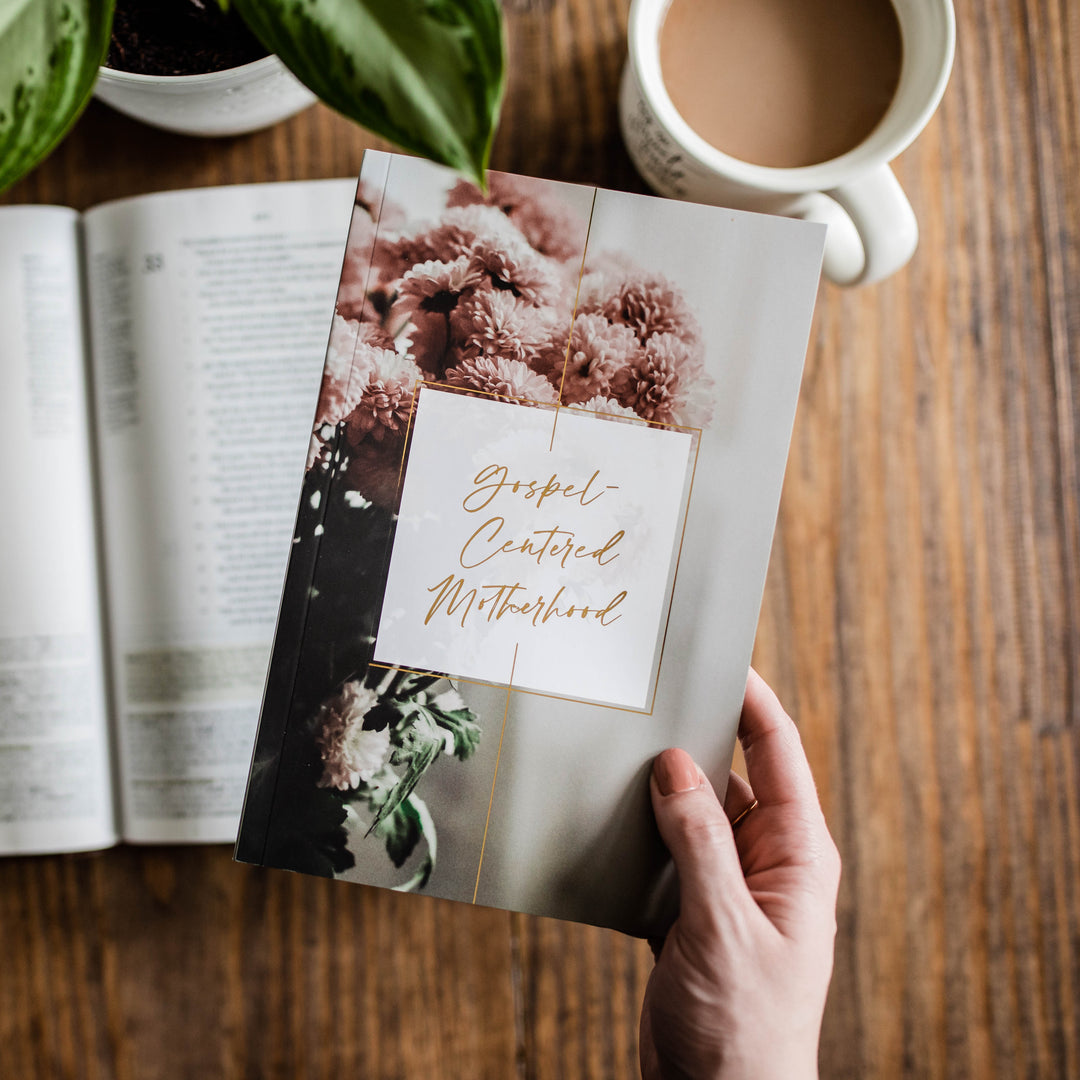
| Flourishing in Motherhood Bible Study | Grace in Chaos | Motherhood Bible Study | Worthy | Identity Bible Study | Gospel-Centered Motherhood | Steadfast Motherhood | |||||

Loading price… |
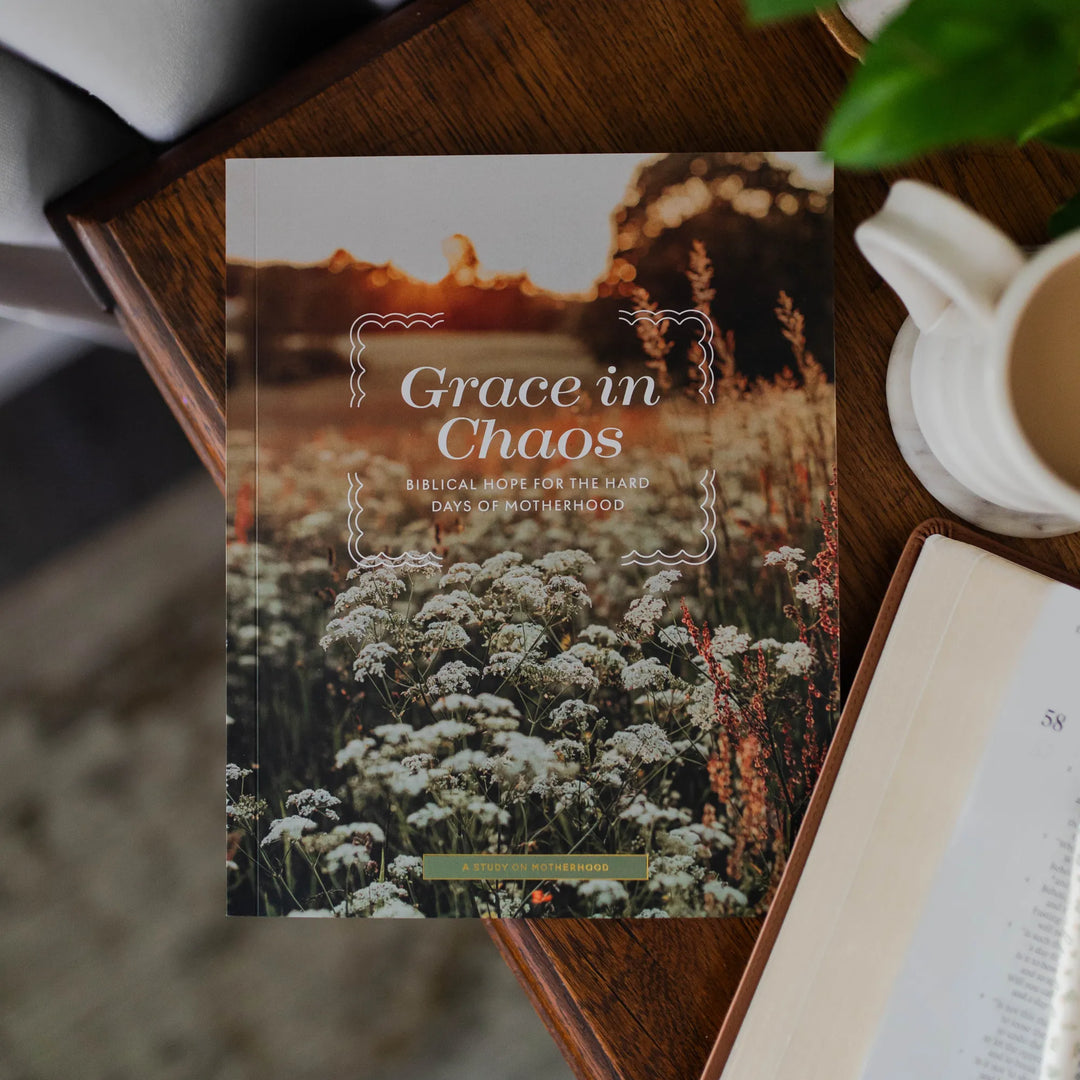
Loading price… |
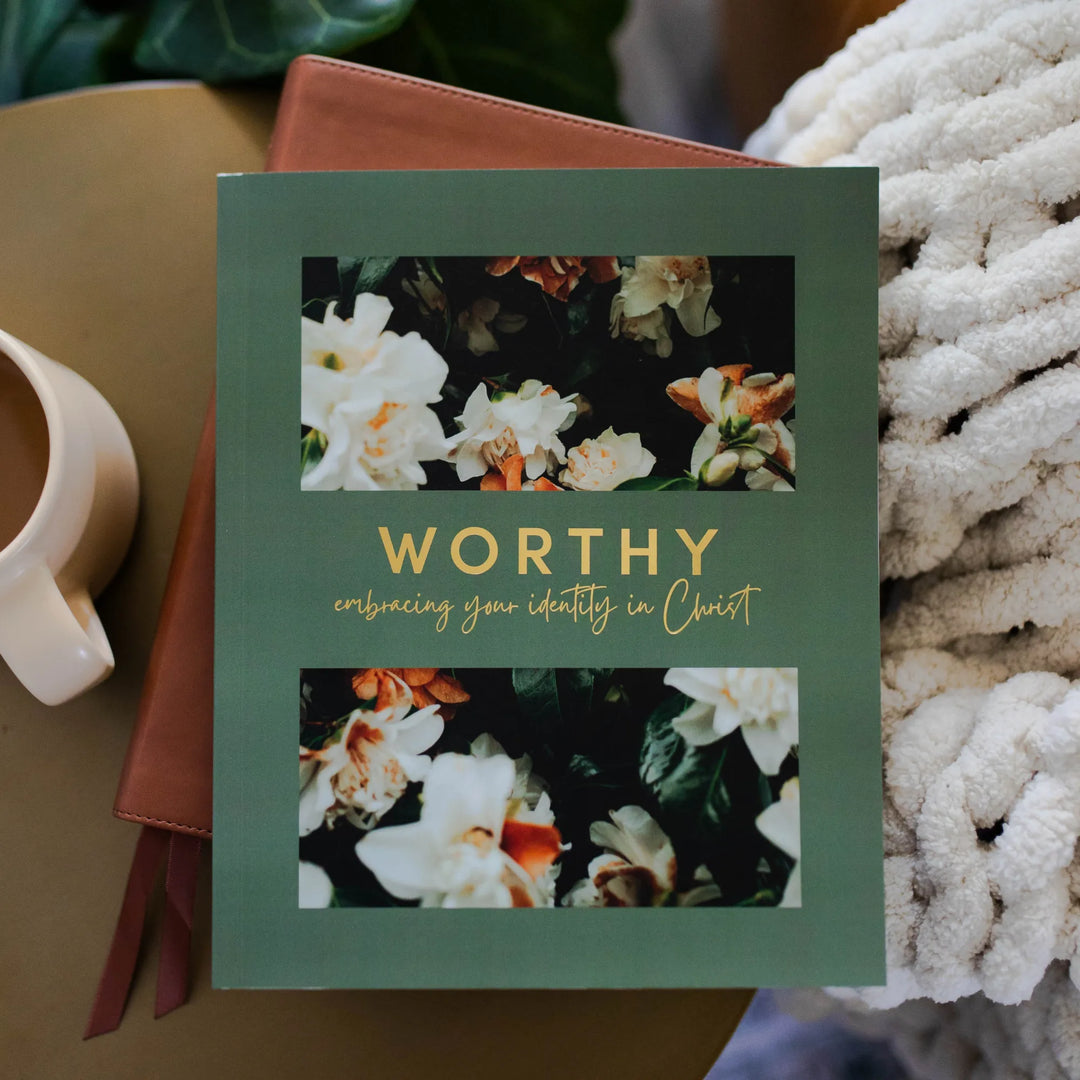
Loading price… |
Loading price… |

Loading price… |
|||||
| Add to Cart | Add to Cart | Add to Cart | Add to Cart | Add to Cart |