






I remember the first and only time I did a three day fast. Before I began, I purchased a new water bottle since water was the only thing I planned to consume over the next seventy-two hours, and then I ate the best meal I could think of at age eighteen—a cheeseburger and french fries—and went to bed ready to begin.
The experience was challenging, but I remember it also being very enlightening. I spent the weekend praying over big decisions I had to make. I remember feeling clarity but also feeling confident that God’s presence was with me no matter what decision I made.
In some church traditions, fasting is practiced regularly, but in others, it is rarely talked about. So is fasting something Christians should do today? In this blog, we’ll consider the purpose of fasting, how it has been practiced by Christians throughout history, and how we might approach fasting today.
What is Fasting?
Technically, fasting is the act of intentionally abstaining from food. Today, fasting is promoted for health or dieting, and trends like juice fasts or intermittent fasting have become increasingly popular. But this is not what the Bible means when it talks about fasting. The fasting we read about in Scripture—and you hear talked about in churches—is biblical fasting, which is specifically defined as the discipline or practice of abstaining from food for a spiritual purpose.
Now, it is possible to fast from things other than food—like TV, music, social media, etc. But traditionally—and in Scripture—people have fasted from food. The intensity and duration of fasts vary throughout Scripture. In the book of Esther, Esther calls all Jews to fast from both food and water for three days and nights (Esther 4:16). In Daniel, the Israelite exiles in Babylon all fast from particular foods like wine and honey for forty days (Daniel 1:12). John the Baptist eats only locusts and honey throughout his ministry in the wilderness (Matthew 3:4), and Jesus fasts from all food for forty days (Matthew 4:2).
The key to biblical fasting, then, is not the specific details of the fast. Rather, it is the fact that it is done for a spiritual purpose. Biblical fasting is not just to show that you can go without eating, nor is it done to lose weight. It has a spiritual significance.
In Scripture, we see God’s people fasting in repentance (Jonah 3:5–8), fasting in response to a specific issue or event (Esther 4, Acts 13:2), fasting in expectation of God’s direction (Acts 9:9), and many more examples that are oriented toward connection with God and spiritual growth. In sum, fasting is a spiritual discipline—a practice that is intended to draw you closer to God and shape you to become more like Jesus.
Theology of Fasting: What Does it Do?
Fasting accomplishes three primary things for the Christian. First, it turns our attention toward God. Through intentionally giving up food, we are choosing to focus on God rather than something that is a normal part of our daily lives. As we do this, we will naturally feel the absence of whatever we are fasting from. When this happens—when our stomachs growl or we start feeling weak and tired—we are reminded to turn our attention toward God in prayer.
Second, fasting allows us to tangibly and physically experience various spiritual realities. When we physically feel longing for food, we see how our souls spiritually long for God. In the absence of physical nourishment, we see more clearly how God provides us with spiritual nourishment. And when we feel we’ve reached our breaking point and can’t go on without food, we tangibly experience how desperate we are for God.
Third, fasting is a means by which the Holy Spirit sanctifies us—that is, makes us more like Christ. As we intentionally abstain from food, we are practicing self-discipline, self-control, and self-denial, all of which are virtues which the Holy Spirit will work alongside our fasts to produce in our hearts and lives.
How Have Christians Throughout History Practiced Fasting?
God’s people have been fasting since the Old Testament. We have already mentioned the fasts found in Esther and Daniel, but the practice is also mentioned in Leviticus (16:29–31), 2 Chronicles (20:3), Ezra (10:6), Nehemiah (9:1), Joel (2:15), Zechariah (8:19), and more.
In the New Testament, we see Jesus fasting for forty days in the wilderness before beginning His ministry (Matthew 4:2). We also see John the Baptist fasting (Matthew 3:4). The Pharisees and other Jewish leaders fasted twice a week (Luke 18:12), Paul fasting after his conversion (Acts 9:9), and throughout Acts, we read of other moments where Christians fast for various reasons (Acts 13:2–3, 14:23).
Fasting continued to be a regular part of Christian life in the time of the early church, as well. In fact, it is documented that Christians took up the Jewish practice of fasting two days a week consistently. Eventually, these regular fasts became institutionalized by the Catholic church, with other times of fasting being practiced church-wide as well—including the forty days of Lent.
The Protestant Reformation challenged these regular fasts that were practiced by both Catholic and Eastern Orthodox churches. The reformers were concerned that these fasts centered on works and performance, and did not follow Jesus’s teachings in Matthew 6:16–18, which encouraged fasting in secret. Protestants did not reject fasting—they just believed that it should be a voluntary practice, not something mandated by the church.
Because of this emphasis on personal and voluntary fasting, the practice increasingly became less common in many protestant traditions, eventually being practiced only occasionally or not at all. However, fasting is still a common practice for protestant Christians in more liturgical traditions—especially those that follow the Church calendar and observe Lent.
And in recent years, more Christians have taken an interest in these ancient and liturgical traditions, including observing the season of Lent and practicing more spiritual disciplines. Therefore, fasting has once again become more popular among Christians of all denominations and traditions.
How Should Fasting Be Practiced Today?
There are many ways fasting is and can be practiced today. Often, whole churches will participate in a season of fasting together. This is most common during the season of Lent, where churches around the world encourage their members to fast from something for forty days in an effort to dwell on their sin and mortality and prepare for the celebration of Easter.
In the Catholic and Orthodox traditions, Lent has very specific fasts that everyone participates in—one of which includes fasting from meat every Friday.
Many protestant non-liturgical churches will also do church-wide fasts. Sometimes these are annual fasts and sometimes they are instituted as a one-time practice in order for the whole church to focus their prayer on something specific—like a new building or the search for a pastor.
But fasting does not only need to be communal. Many individuals fast in private, with their spouse, or with a few close friends. These fasts are sometimes regular—like every Friday, the first of every month, or the first forty days of the new year. But sometimes they are spontaneous or in response to a particular issue or circumstance. Fasting in any of these ways follows the biblical witness and ancient church tradition of fasting, as long as your fasting is intended to draw you nearer to God.
Common Concerns About Fasting
While fasting is a biblical practice that is beneficial for most Christians, there are certainly reasons to abstain from fasting, and certainly things to watch out for as you fast.
Most importantly, you should not fast if there is a health concern. My church once did a church-wide three-day fast when I was pregnant. Naturally, I did not participate. But although there are many health concerns that might prevent someone from fasting from food, this is a great opportunity to apply all the same fasting principles above and fast from something else—like TV, music, social media, or even a specific kind of food.
Another reason to abstain is if you currently have (or have had in the past) a difficult or unhealthy relationship with food. If this is you, you may want to consider fasting from something other than food.
Another concern when it comes to fasting—particularly regular fasting, like weekly fasts, or fasting during Lent—is that it can become legalistic or cause us to focus too much on works. While this might be a valid risk for some, more often than not, the practice of fasting reveals our inadequacy more than it turns us to pride. Even the most pious person can’t keep their stomach from growling when they are hungry. And every time we hear those growls, we have an opportunity to turn to God in prayer. However, if your personal conviction is that fasting would be too legalistic for you, this is a great thing to talk about with your pastor or another trusted Christian and ask them to come alongside you to encourage you and pray for you.
Another concern—one I struggle with myself—is how to continue fasting when you feel really bad at it. Since that fast when I was eighteen, I have attempted other multi-day fasts. I have failed miserably. Most often, I never make it more than twelve hours. I have managed to do other, less intense, fasts and seen my endurance and dependance on God increase over time. Who knows—maybe I will be able to do another three-day fast soon!
But if you are like me and struggle with feeling like you are “bad” at fasting, I encourage you not to give up. Fasting is a discipline and a practice, which means you are not expected to ever be perfect—in fact, that thinking is legalistic. If you struggle, start small at first, and work your way up to more intense fasts. And remember: The point is to draw nearer to God in prayer, not to prove something to yourself or others.
Finally, there is the question of who should know when we are fasting. Yes, Jesus does say to fast in secret (Matthew 6:29–31) in comparison to the Pharisees, who are dramatically demonstrating their fasts before others. The principle here is that we should not promote ourselves or our righteousness when we fast individually. However, if someone asks you why you aren’t eating lunch at work, and you tell them you are fasting, God is not going to stop listening to your prayers. Just do your best to walk in humility, and ask God for help when you struggle with this.
Ultimately, fasting is an excellent way of centering your heart and life on Jesus and aiding in your prayer life. It is an ancient practice that can still serve you today. Consider incorporating some kind of fast into your life. Though I personally have struggled to fast again for as long as I did at eighteen, the times I have fasted—whether just from a single meal or from coffee for all forty days of Lent—have been quite rewarding and edifying for my spiritual walk.
Unlock a 10% off coupon!
Additional Resources for Lent:
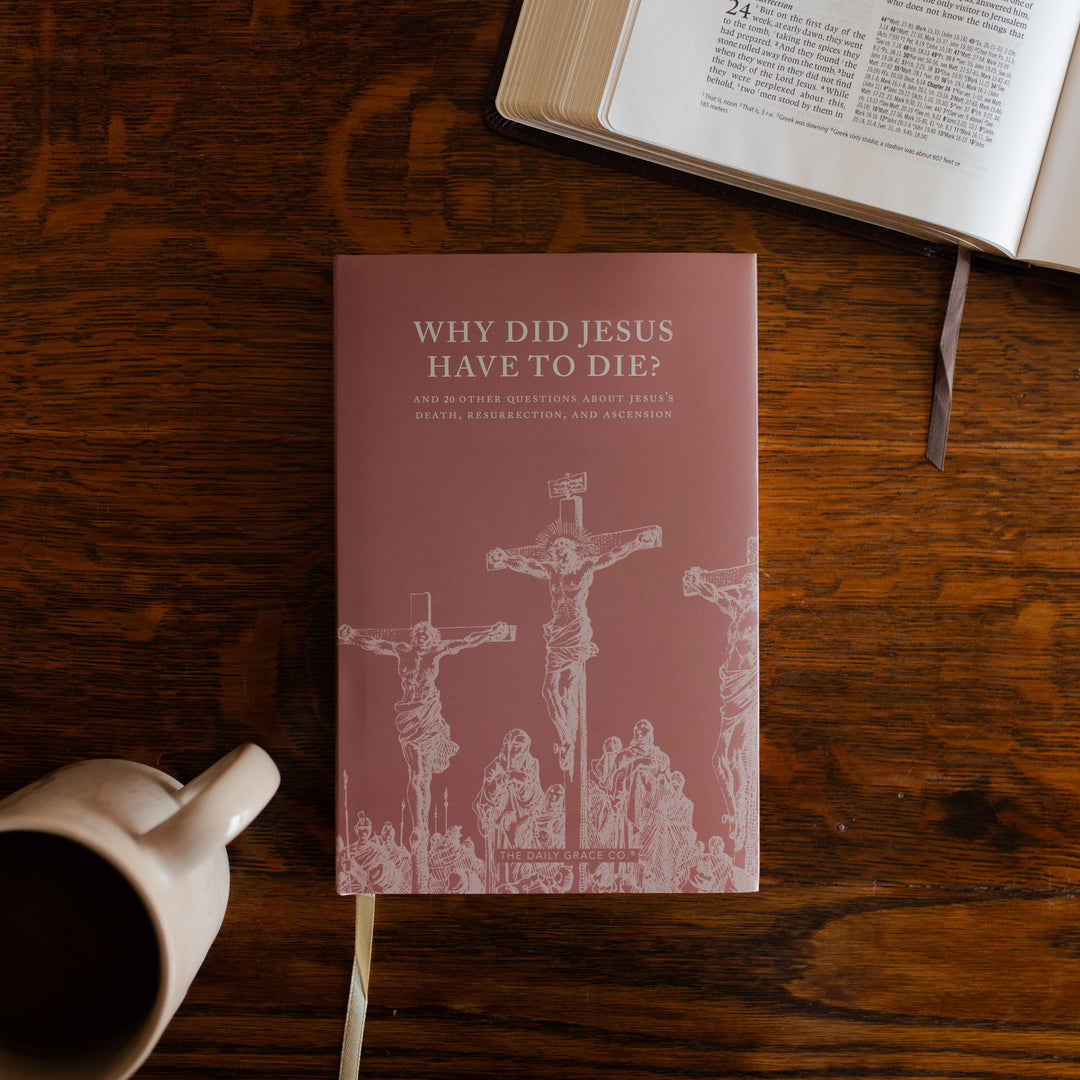
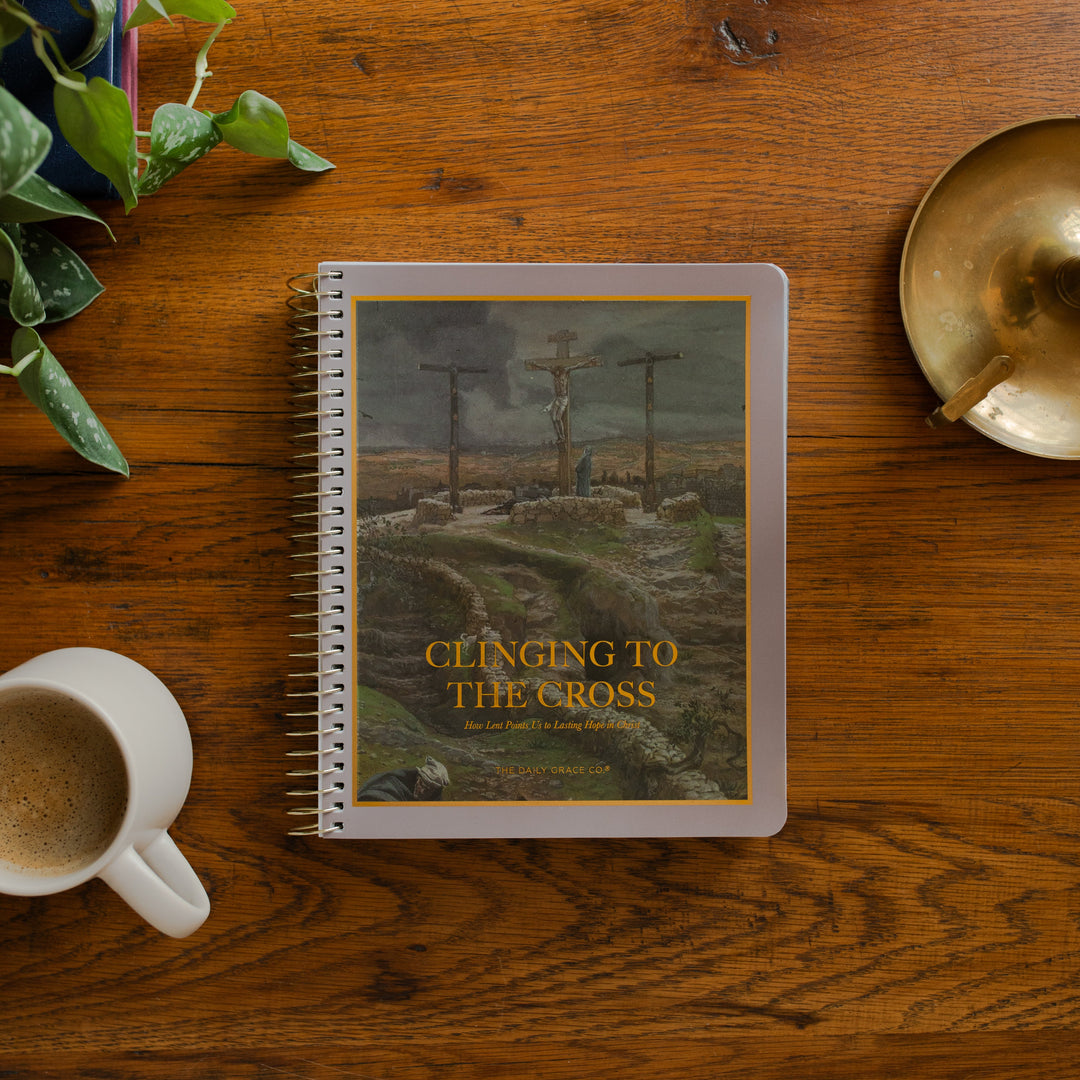
| The Church Calendar | Why Did Jesus Have to Die? | Clinging to the Cross - Lent Bible Study | The Prayer Handbook: A Comprehensive Guide to the Practice of Prayer | ||||

Loading price… |
Loading price… |
Loading price… |

Loading price… |
||||
| Add to Cart | Add to Cart | Add to Cart | Add to Cart |