





Twigs. Grass. Mud. Maybe a scrap of plastic or a thread from someone’s clothing. Hardly the stuff of sound construction. But the robins under the back porch are happy with the materials. Pressed against the green underside of the pressure-treated lumber, they thread and stitch. They are weavers of every earthly discard, carpenters who build a home for the living from the bones of the grass. The inside of the nest takes the cup-like shape of the robin’s body—everything set, pushed, and nestled into place by warm blood and plumage. It is a home against the wind, fit for a season and ready both to house and release its hollow-boned builders.
After the release, there is no return. The nest will be stretched by the wind, filled with parasites and bacteria too dangerous for a newly hatched brood. This is a seasonal home, a hearth built as a breath. But that is not a bad thing. We are all seasonal creatures.
Wendell Berry said, “perfection is wild as light; there is no hand laid on it.”1 We might not describe a fleeting bird’s nest as perfection, but it fulfills its momentary purpose. It holds birds wing-to-wing, in the wind and the rain, out of dusk and into dawn. In its wildness, their woven nest heralds seasonal peace. It brings a breather, but it always does so in order to ready them for wandering, for exploration, for travel. Home is never just the hearth. It is the limb we leap from, always just behind us and always just ahead of us.
We love that, and we hate that. In everyday parlance, home has a thousand connotations of belonging, resting, and remaining. But that is only part of its truth, the most visible part. The deeper, hidden element of its meaning includes travel, expedition, and movement. Home embraces not only residential stillness; it is the pilgriming potential, the awareness that rest brings not an absence but a fullness, the first page of a new story. Home, in this sense, is not an end to the traveling; it is, like the robin’s nest, a place that readies us for the next flight. Learning and accepting this is what we call “growth.”
The poet David Whyte wrote, “The great measure of human maturation is the increasing understanding that we move through life in the blink of an eye.”2 You and I are mist, says the Apostle Paul, more fleeting than the robin’s nest. Whyte goes on: “The defining experience at the diamond-hard center of reality is eternal movement as beautiful and fearful invitation; a beckoning dynamic asking us to move from this to that.”3 The robins move from spring to winter. Their home was in-between and just ahead.
But this jars us, jabs us in the ribs of comfort. What is this constant movement? Can we handle it? Sustain it? Survive it? Is there only change and flux?
Not only. Whyte knew that, too. “We want to belong as we travel,” he wrote. “We are creatures of movement, but we have something immutable in the flow: an elemental, essential nature that gives a person a name and a voice and a character as they flow on.”4 Yes—to belong as we travel. That is home, too.
It was no different for the God-Word who took on flesh and dwelt among us, who made a home among pilgrims, who had no place to lay His head (Matthew 8:20). He knew better than anyone that to find home is to belong as we travel. He became a bird among birds, a migrant for migrants.
But even He spoke of home—and not the fleeting sort. He had a strange way of going about it. He used the image of falling grain (John 12:24). And that brings out one of the most precious meanings of the word “home.” Home is never for the lone heart. Its comfort lives in communion, not just in life, but in death. Even in the darkest depths, a congregation of fallen seeds constructs the walls, roof, windows, and doors of an unspeakably powerful home. So prays Malcolm Guite,
Oh let me fall as grain to the good earth
And die away from all dry separation,
Die to my sole self, and find new birth
Within that very death, a dark fruition,
Deep in this crowded underground to learn
The earthy otherness of every other,
To know that nothing is achieved alone
But only where these other fallen gather.5
The gathering—that is home. My life is a seed and will be until the end: small, susceptible to the wind and the elements, longing for a dark place from which it will climb to meet the sun. But that dark place is a crowded underground, where fellowship kindles a fire that will not go out. That sort of home—a home of persons—never weathers. It stays.
“You know why we’re taking you home, right?” I once asked my cancer-ridden father in 2004. The tumor pressed on his brain stem, revoking much of his speech. He turned his head toward the broad pane of glass and lifted up his arm toward the blue sky, his index finger slightly bent, to announce his one-word reply: “Home.” He said nothing else. Did he need to?
We spend so long wandering that we disbelieve in destination. We plod on looking for light and warmth, like tired birds in late November, like airy grains of wheat clinging to the stalk. Settling is momentary. And we’re afraid of the dark soil. Is there no lasting rest here? Is home just an idea?
Skin. Marrowed bones. Hair. Maybe the impish grin of a boy. Hardly the stuff of sound construction. But the God of galaxies is happy with the materials. He is a weaver of moments and memory, hearth and journey, building a home for eternity from the fibers of time, and then setting it in a straw-covered trough, letting him grow.
Notes:
-
Wendell Berry, “The Design of a House.”
-
David Whyte, “Pilgrim from ONEING: Transitions.”
-
David Whyte, “Pilgrim from ONEING: Transitions.”
-
David Whyte, “Pilgrim from ONEING: Transitions.”
-
Malcolm Guite, “Unless a grain of wheat falls into the ground…”
BIO:
Pierce Taylor Hibbs is Senior Writer and Communication Specialist at Westminster Theological Seminary. He is the author of more than twenty books, including Struck Down but Not Destroyed, The Book of Giving, One with God, and Our Hope Is in Help. He and his wife, Christina, live in Pennsylvania with their three kids, Isaac, Nora, and Heidi. Learn more about his work at piercetaylorhibbs.com.
Unlock a 10% off coupon!
Additional Resources for Drawing Close to God:
|
Subscribe to Be Still Magazine |
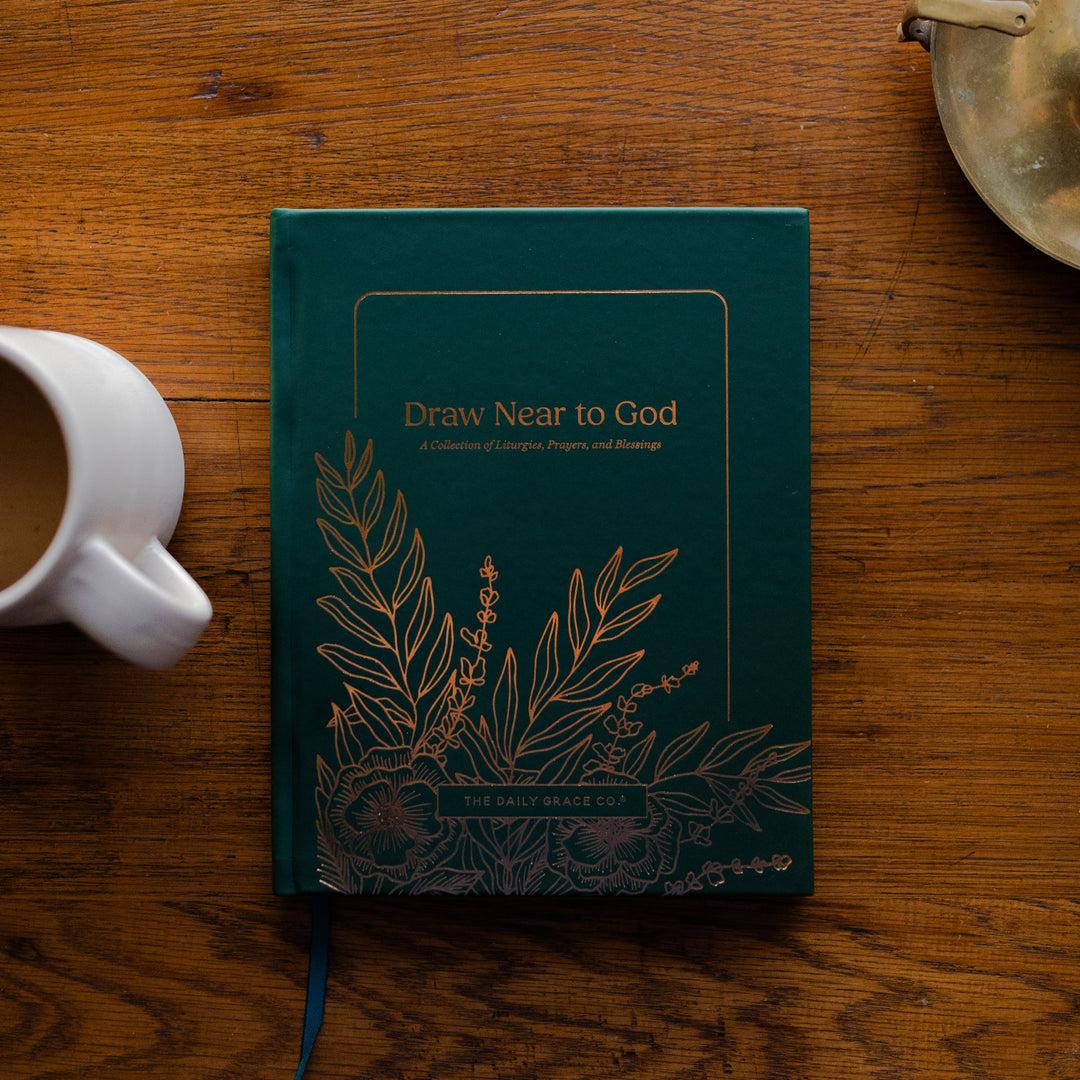
Draw Near to God |
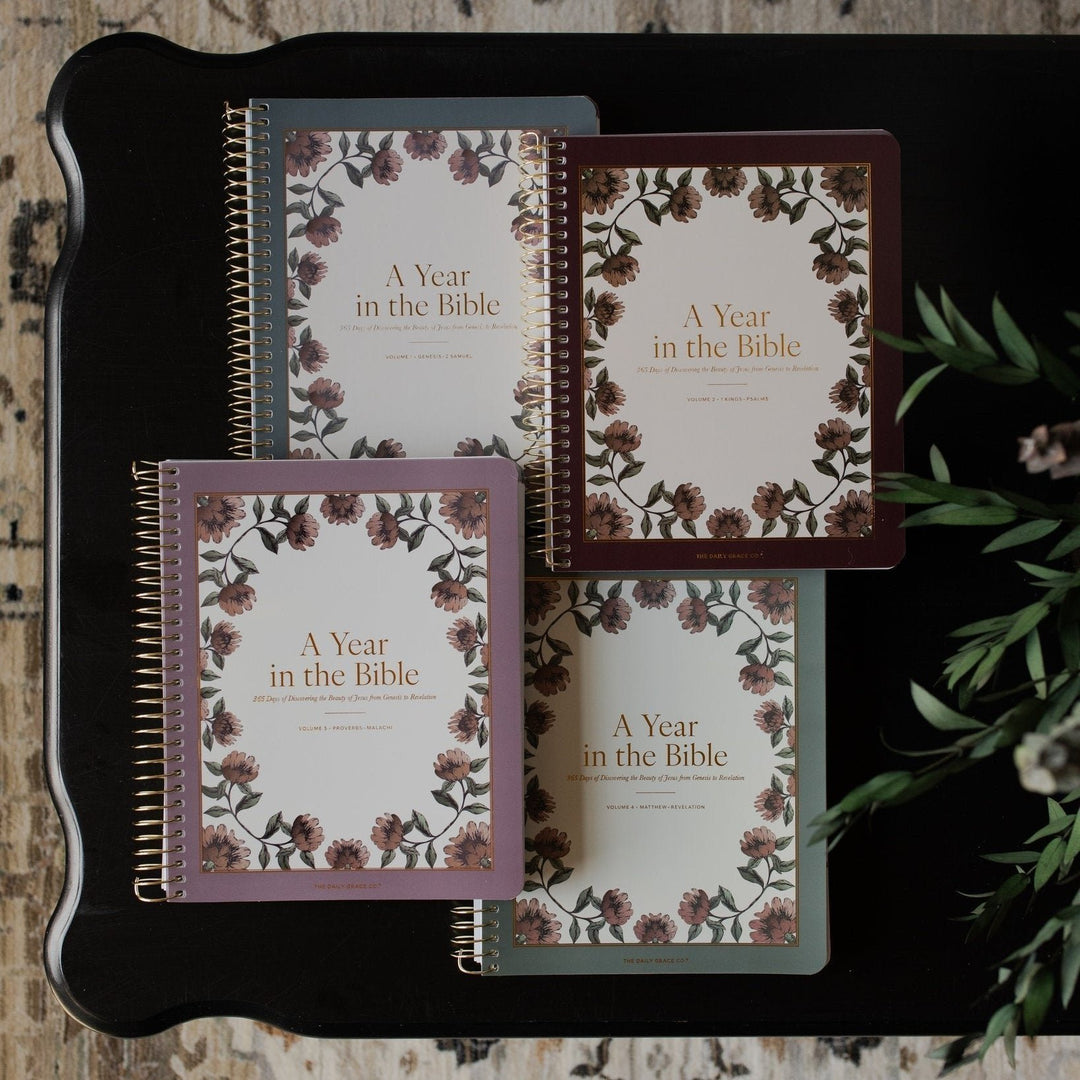
A Year in the Bible |
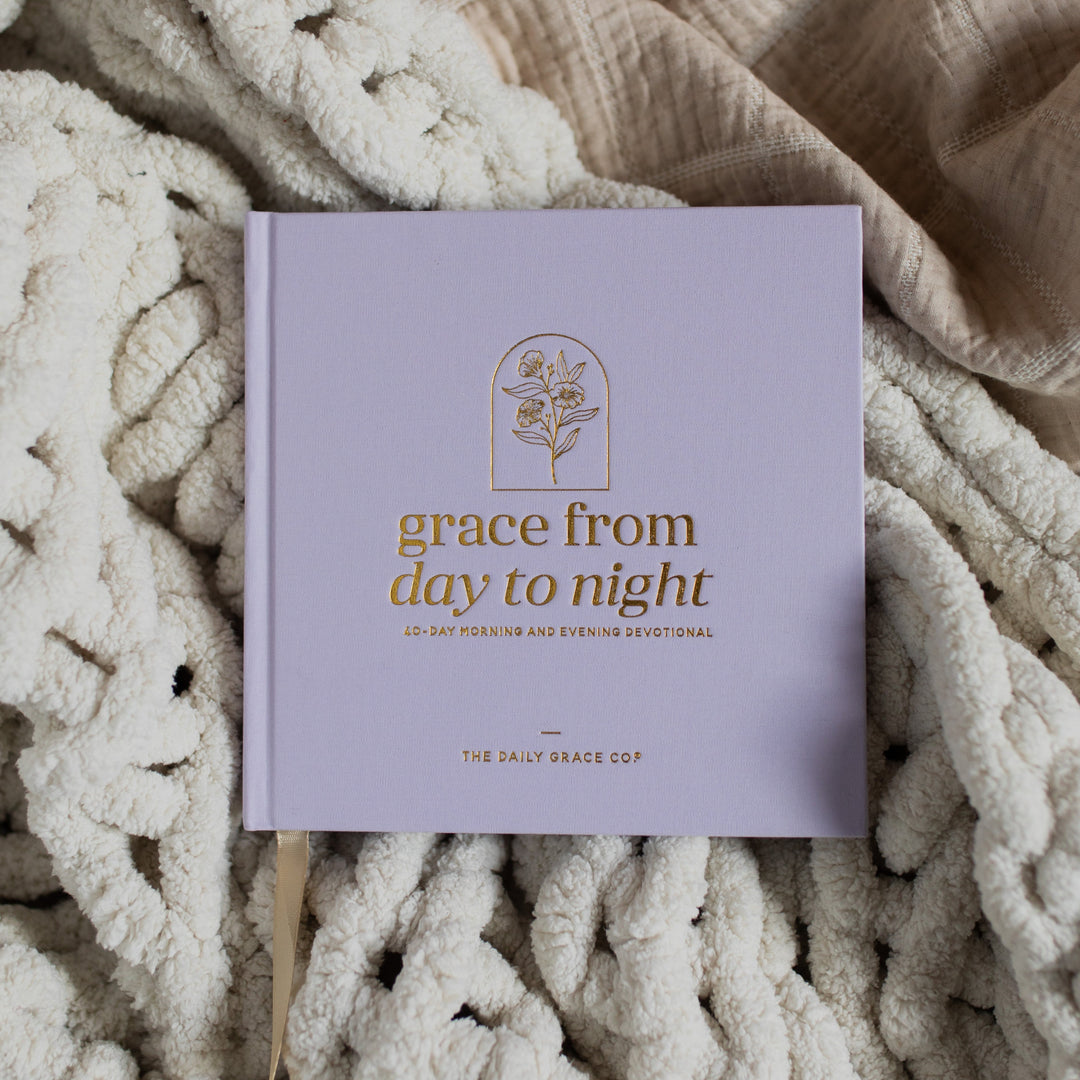
Grace from Day to Night |
|||

Loading price… |
Loading price… |
Loading price… |
Loading price… |
|||