




The Exodus narrative frequently comes up in theological discussions about God’s sovereignty and humanity’s free will, which might surprise us if not for a peculiar refrain in the story about Pharaoh’s heart being hardened. When Moses is about to perform signs and miracles in Egypt so that Pharaoh will release the Israelites from their slavery, God says He “will harden [Pharaoh’s] heart so that he won’t let the people go” (Exodus 4:21). If God’s goal is to deliver His people, Israel, from slavery, why would He harden Pharaoh’s heart and thereby delay deliverance? And how does this come to bear on the sovereignty and free will conversation?
God Sovereignly Hardens Pharaoh’s Heart
The first thing to note is that Pharaoh’s hardened heart is mentioned repeatedly throughout the Exodus narrative—the text is clearly trying to make a point. This was not a one-time thing but a nearly constant heart state for Pharaoh. Every time it looks like Pharaoh’s heart will soften and he will let the people go, his heart is hardened again before he proceeds to release the people.
The second thing to pay attention to is that the subject of the verb “harden” oscillates throughout the story. Several times, God is the One who hardens Pharaoh’s heart as in the verse we read above (for further examples, see Exodus 7:3, 9:12, 10:1), but then there are several times when the text tells us Pharaoh hardened his heart himself (Exodus 8:15, 32, 9:34). Other times, the text does not tell us who hardened his heart, merely reporting that it was hard (for example, Exodus 7:14 and 9:7). While this might make it seem as though the text is ambiguous regarding who is truly behind this hardening, there are several places where it is confirmed that Pharaoh’s heart was hardened “as the LORD had said” (Exodus 7:13, 22; 8:15, 19; 9:35). It is especially noteworthy that we read this refrain following two of the instances in which Pharaoh hardened his own heart (Exodus 8:15, 9:34–35). Even when Pharaoh is the subject of the verb, the hardening occurs in accordance with God’s word.
Third, the text tells us clearly why God is hardening Pharaoh’s heart: God says in Exodus 7:3, “I will harden Pharaoh’s heart and multiply my signs and wonders in the land of Egypt.” God says this before Moses and Aaron begin the first of ten plagues that would beset the land. We know, then, that God is preventing Pharaoh from releasing the Israelites so that He can reveal His full power through the ten plagues rather than using fewer.
Then, in Exodus 14:4 and 14:17, God says that He plans to harden the hearts of Pharaoh and the Egyptians so that they will pursue Israel into the Red Sea. In this way, God “will receive glory by means of Pharaoh, all his army, and his chariots and horsemen. The Egyptians will know that I am the LORD . . .” (Exodus 14:17–18a). By hardening Pharaoh’s heart to pursue the Israelites and using the Red Sea to wipe them out, God delivers the Israelites and sovereignly glorifies Himself.
Unlock a 10% off coupon!
Pharaoh Is Still Morally Responsible
While this story clearly teaches God’s sovereignty over its events, the story does not nullify Pharaoh’s moral responsibility. Notably, in the first passage where God says He plans to harden Pharaoh’s heart, He declares, “And you [Moses] will say to Pharaoh: This is what the LORD says: Israel is my firstborn son. I told you: Let my son go so that he may worship me, but you refused to let him go” (Exodus 4:22–23a). Even as Pharaoh’s heart is hardened by God, it is Pharaoh who refuses to let Israel go.
At another point in the narrative, Pharaoh acknowledges that he is wrong to withhold the Israelites from leaving: “‘I have sinned this time,’ he said to them. ‘The LORD is the righteous one, and I and my people are the guilty ones’” (Exodus 9:27). But then, once the plague (in this case, rain, hail, and thunder) abates, the text says, “he sinned again and hardened his heart, he and his officials . . . as the LORD had said through Moses” (Exodus 9:34–35). Pharaoh clearly bears moral responsibility for failing to let God’s people go.
Rather than shying away from the tension here, the presentation of these two realities in Scripture should encourage us to embrace both: God is sovereign and humanity is morally responsible for its actions—the Pharaoh and his army received judgment for their actions at the Red Sea, after all. Was God wrong to have judged Pharaoh in this way for sinfully withholding God’s firstborn son (Exodus 4:22–23)? Certainly not.
God Wields His Sovereignty for Salvation
Yet we cannot forget the full effect of this story: God hardens Pharaoh’s heart not only so that He might be glorified but so that His people might witness His power for the purpose of salvation and redemption. Israel was helpless in slavery, unable to deliver themselves from Pharaoh’s oppressive hand; but God loved them so much that He chose to deliver them in such a way that they could not deny that it was only of Him. The Israelites had no hand in their deliverance—it was purely an act of God.
In this way, the Exodus foreshadows the salvation offered to all of humanity through Jesus Christ. Even as the Apostle Peter declares that Jesus died “according to God’s determined plan,” he lays the moral responsibility for Jesus’s death on his hearers: “you used lawless people to nail him to a cross and kill him” (Acts 2:23, emphasis added). Yet the death that was brought by humanity’s evil was used for good, that many might receive eternal life through Christ’s death and resurrection (John 3:15–17). When we remember that “all things work together for the good of those who love God” (Romans 8:28), God’s sovereignty is more than a theological conundrum to be solved; it is a merciful salve for our sinful hearts, which are morally guilty apart from God’s grace. Pharaoh’s hardened heart serves as a reminder to us that nothing can stop God’s plan of redemption—not the hearts of world leaders, nor the death of His own Son.
Author Bio
Paul Zetterberg is a Staff Editor at The Daily Grace Co.® and holds an MDiv from Truett Seminary. He is passionate about helping others understand Scripture and experience the transforming power of the gospel. In his free time, he enjoys reading, playing video games, traveling, and spending time with his wife, Jessica.
Additional Resources:
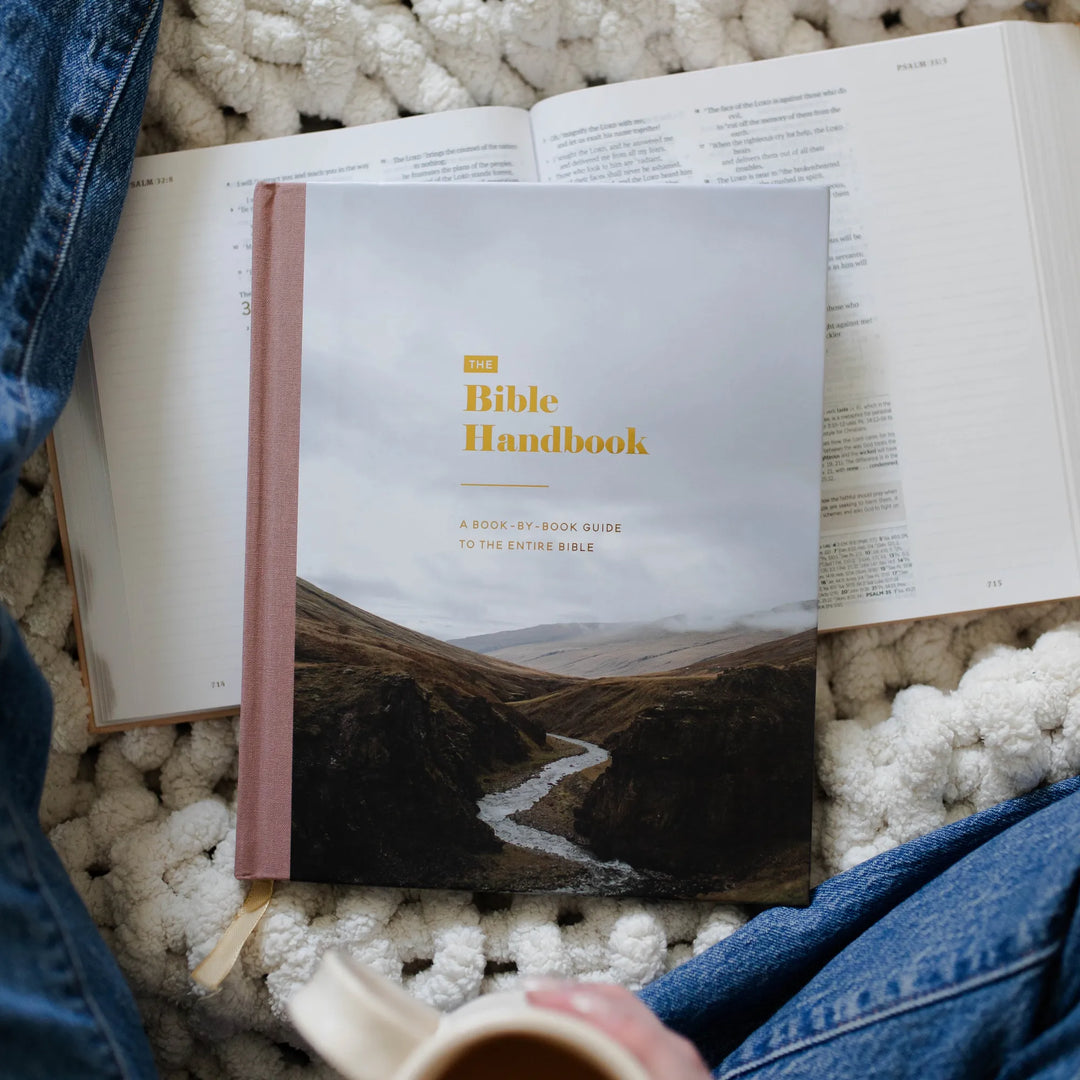
| Genesis Bible Study | The Bible Handbook | What is God’s Sovereignty? | |||

Loading price… |
Loading price… |
 |
|||
| Add to Cart | Add to Cart | View Blog |