






I’m currently working on my PhD in Theological Studies and decided to take a summer class on Christian ethics as one of my elective options. I always had this idea of what ethics meant to me, but I finished that class with a greater understanding of myself and how God works.
What comes to mind when you hear the word “ethics”? Do you think of a stuffy professor lecturing in a classroom with a chalkboard behind him? Maybe you think of how virtue plays into public policy. Perhaps you imagine trying to navigate through a sea of gray in terms of black and white.
According to Merriam-Webster, the definition of the study of ethics is “the discipline dealing with what is good and bad and with moral duty and obligation.”1 As humans, we each have our own set of ethics: those guiding principles that dictate how we respond in certain moral situations. However, as Christians, our ethics should be set apart from the world’s.
What makes a Christian’s ethics distinct from the ethics of an unbeliever? There are a few guiding questions we can ask ourselves as we seek to discern right from wrong in the decisions we encounter every day.
Is My Decision Biblical?
When we take a step back to look at each particular situation and the possibilities of where we might go, we can ask ourselves, Are the options available to me biblical? Since we have agreed to follow Christ, we have the moral obligation as Christians to align with the Word of God in our decision-making.
For example, say I disagree with my boss at work. I might look to Matthew 18:15–20. While this passage specifically addresses Church discipline, I can still use the principle of understanding and reconciling to make the next smart step. To handle this situation ethically and biblically, I could respectfully request to meet with my boss to address my concerns. Having a conversation prevents false assumptions from being made and allows understanding between both parties involved. Conversely, the unethical and unbiblical way to handle this situation would be to gossip to coworkers or to act in a passive-aggressive manner.
The Word of God also helps us to see the difference between what is good and what is best. Sometimes, when we look at a situation, we can see many seemingly good alternatives. However, this is when we need wisdom from the Word of God and the Holy Spirit to discern the best decision. What may be best for one circumstance may not be the best for another. Through our time in prayer and meditation, we allow the Holy Spirit to instruct us.
Is My Decision Sanctifying
A decision made in light of a strong Christian ethic is one that sanctifies. According to Christian ethicist Oliver O’Donovan, “[Sanctification] is focused, rather, upon the transformation of our experience as agents. Its primary concern, then, is pursued in common with Ethics, the recovery of human agency from the death of sin.”2 In our decision to do good, we are exercising the freedom we have received from Christ (John 8:36) and are becoming more holy as He is holy (1 Peter 1:16).
As Christians, our moral decisions must keep in step with the Holy Spirit. If our decisions go against the Holy Spirit, then we are not being made holy and, therefore, are not being sanctified. We risk the searing of our conscience if we continually ignore the Holy Spirit’s prompting, inviting our flesh to overcome our newness in Christ (1 Timothy 4:1–3). The more we hear His voice and consistently walk in obedience, the easier it is to discern between what is good and what is best and to continue walking in the right decisions that sanctify us.
Does My Decision Glorify God?
For unbelievers and believers alike, God can use general revelation to reveal the difference between right and wrong. However, the intention of the believer is to glorify God in everything—including our ethics. If our decision does not glorify God, then it is not a part of a Christian ethic.
This understanding not only applies to the action itself but also to its intention. Many times, we can make a choice out of selfish ambition that happens to fall within what appears to be a Christian ethic. While these choices may still bring glory to God on the outside, if made with a perverse heart, we fail to bring glory to God in our hearts as we haven’t allowed Him to be Lord in the decision. Through prayer and humility, we can seek God to change our hearts as we obey Him in the decisions He calls us to make.
Practicing Christian Ethics
We all encounter hard circumstances in life that require an understanding of our own ethics. While the world may have its own understanding of what is right and what is wrong, we as Christians are called to a higher standard. We are called to holiness. We are called to be holy as Jesus Himself is holy.
Sometimes, these decisions are easy to make or come naturally to us. Other times, these decisions are difficult to discern, even within our Christian framework. Thankfully, we are equipped with everything we need to navigate these situations: Through prayer, the Word of God, and the Holy Spirit, we can lead the lives God has called us to lead as His people.
Notes:
Merriam-Webster’s Dictionary, s.v. “ethics,” Merriam-Webster, Incorporated, accessed June 14, 2026, https://www.merriam-webster.com/dictionary/ethics.
Oliver O’Donovan, Entering into Rest, vol. 3 of Ethics as Theology (Eerdmans, 2017), 72.
Author Bio
Leslie Williams writes with a passion for helping women grow in their knowledge of Scripture and confidence in their faith. She teaches online as an adjunct professor at Liberty University and holds an MDiv in Pastoral Counseling. She is currently a PhD student in the Theological Studies program at Liberty Theological Seminary. In her free time, Leslie enjoys reading, running, and meaningful conversations over coffee.
Unlock a 10% off coupon!
Additional Resources:
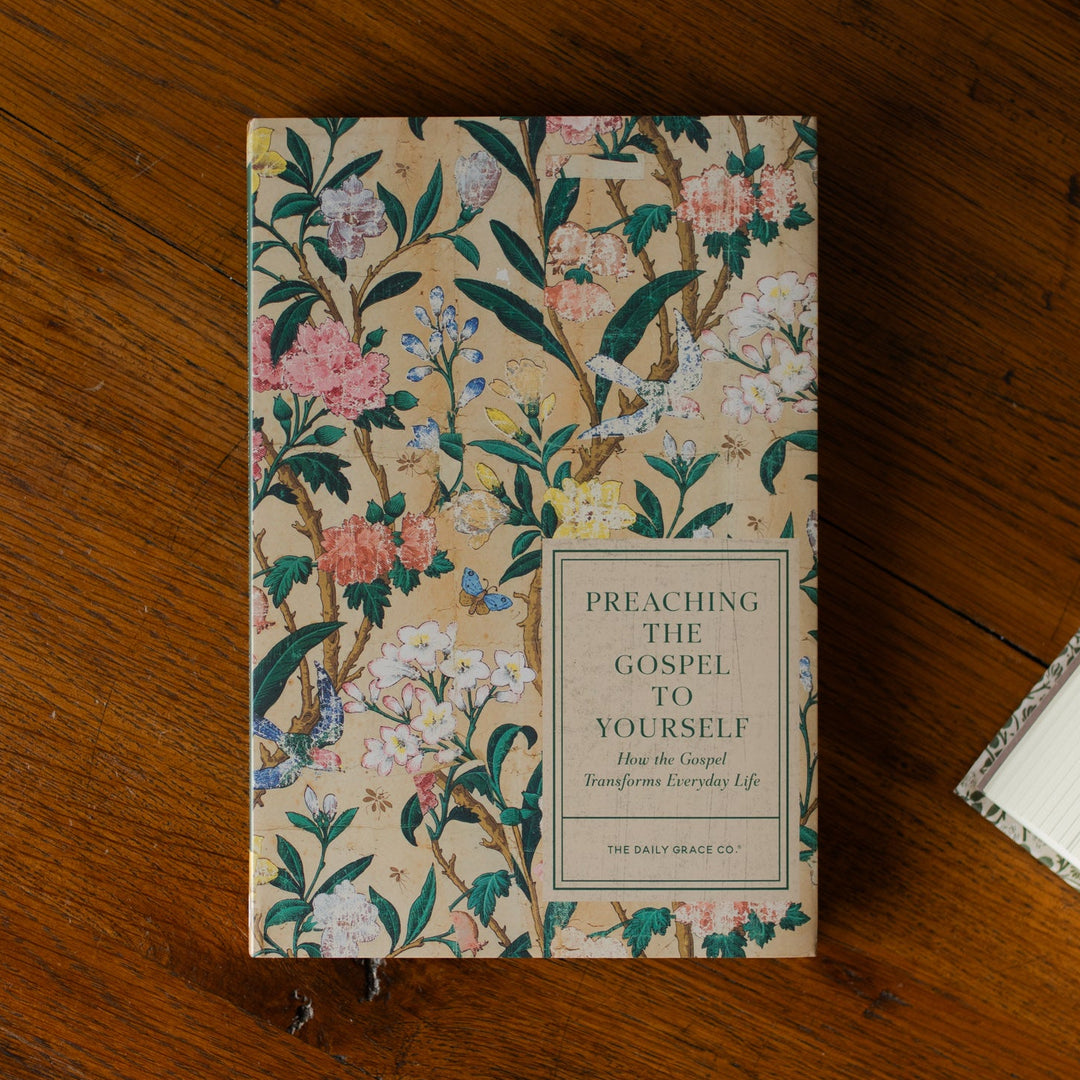
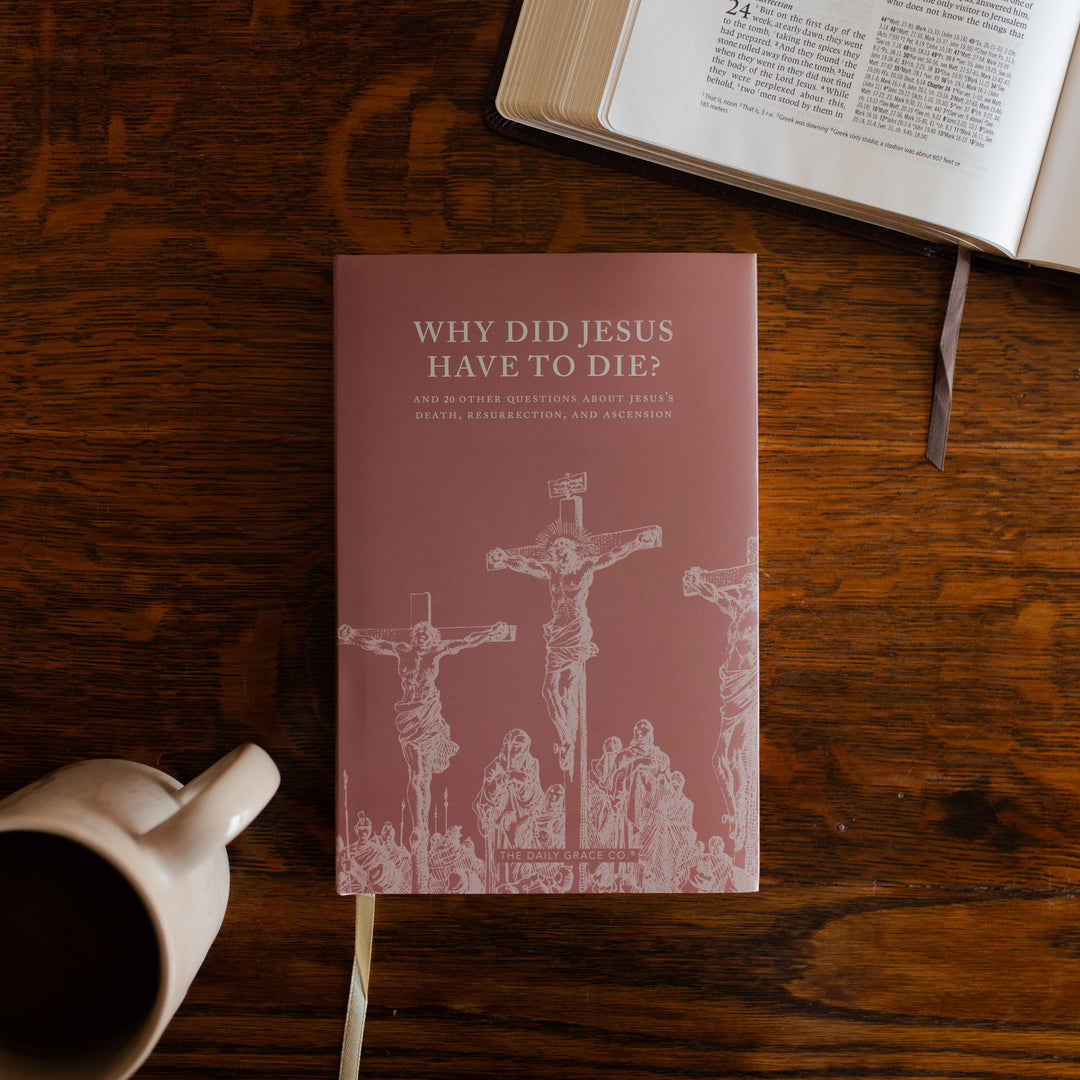
| Preaching the Gospel to Yourself | Why Did Jesus Have to Die? | Abide Bible Study | Will I Make It Through? | ||||
Loading price… |
Loading price… |

Loading price… |

Loading price… |
||||
| Add to Cart | Add to Cart | Add to Cart | Add to Cart |