





You just got a Bible—that’s great!
Now, if you’re new to reading the Bible and you’re holding this big, long book in your hands, you may be wondering exactly how to start reading it.
Do you just randomly open your Bible and start reading whatever passage you happen to land on? That would be like starting a movie halfway through. Who are these people? Who’s talking? What’s happening?
Reading the Bible is one of the richest, most life-giving practices you could ever do, but it’s also a big book full of more books, over a thousand chapters, and well over seven hundred thousand words. We’d like to help you get started so that you enjoy reading it, studying it, and letting it shape your life (which it will definitely do!).
Here’s what to consider before you dive in.
The Bible is About Someone
Why read the Bible?
The Bible is all about Jesus, and Jesus is the most captivating, beautiful Person in the universe (the Bible says so). He’s a human being, like you—the most fully human being, actually. The Bible being about Jesus is obvious in some parts of the Bible. But in a majority of the text, it might be hard to tell. When you approach the Bible looking for Jesus, you’ll fall in love with it. It’s like a treasure hunt from the first page of Genesis to the last page of Revelation.
From this perspective, it’s plain to see why the Gospel of John is often offered as a place to start reading the Bible. It’s written in more accessible language than the other Gospels (Matthew, Mark, and Luke), and it reveals Jesus from even before creation.
We’ve also created a yearlong Bible study that guides you through the Bible with the intention of revealing Jesus. It’s called Christ in All of Scripture.
The Bible was Written for You, but Not to You.
Context is everything when it comes to reading the Bible and in knowing how to understand it. While the Bible contains eternal truths that are ever relevant to our lives, the fact of the matter is that the Bible was written a long time ago to an audience far different than us—in a world far different than ours.
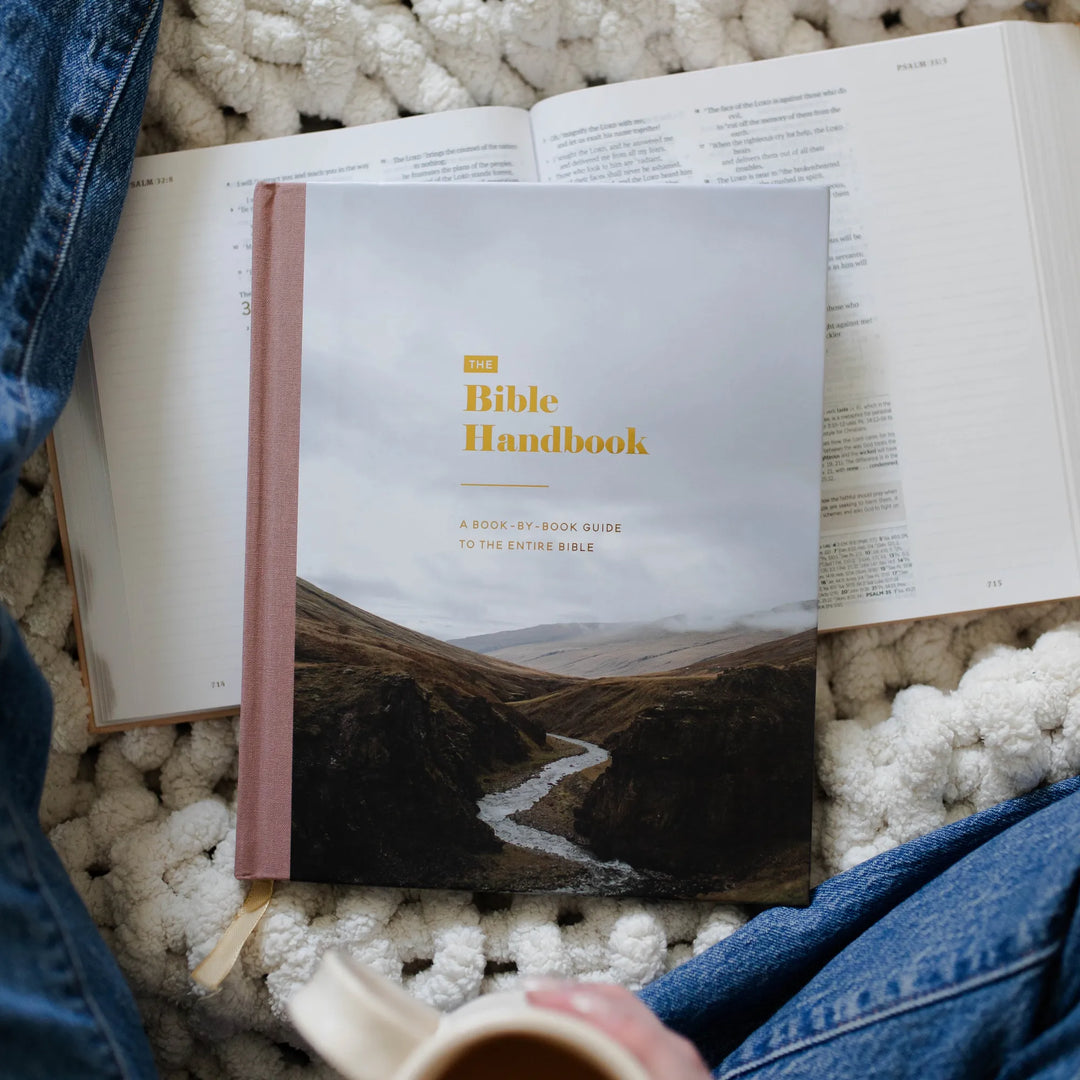
That’s why it’s really helpful to understand some basic information about the books of the Bible, when they were written, who wrote them, to whom they were written, and why they were written. Your Bible may have some of this information, and that’s great! If not, we’ve created an amazing resource for you to understand the Bible. It’s called The Bible Handbook: A Book-by-Book Guide to the Entire Bible.
The Bible Tells the Whole Story.
Some stories in the Bible will easily make sense. Some will be confusing. Some stories will be graphic and violent. Some may be poetic and emotional. Some are heart-wrenching and some are almost too beautiful and amazing to describe.
The point is this: The Bible tells the whole story. It doesn’t pull punches. It doesn’t leave out details. It reveals the messiness of humanity and God’s steadfast, not-afraid-of-the-mess love for humanity. It reveals the real evil in the world, and it reveals the real Savior of the world—the real Hope, Love, Joy, and Peace.
So, before you read a passage and feel tempted to jump to a wrong conclusion, remember this: God meets us and saves us and redeems us in the real world with its real problems through His real Son, Jesus. The Bible is about Him, remember?
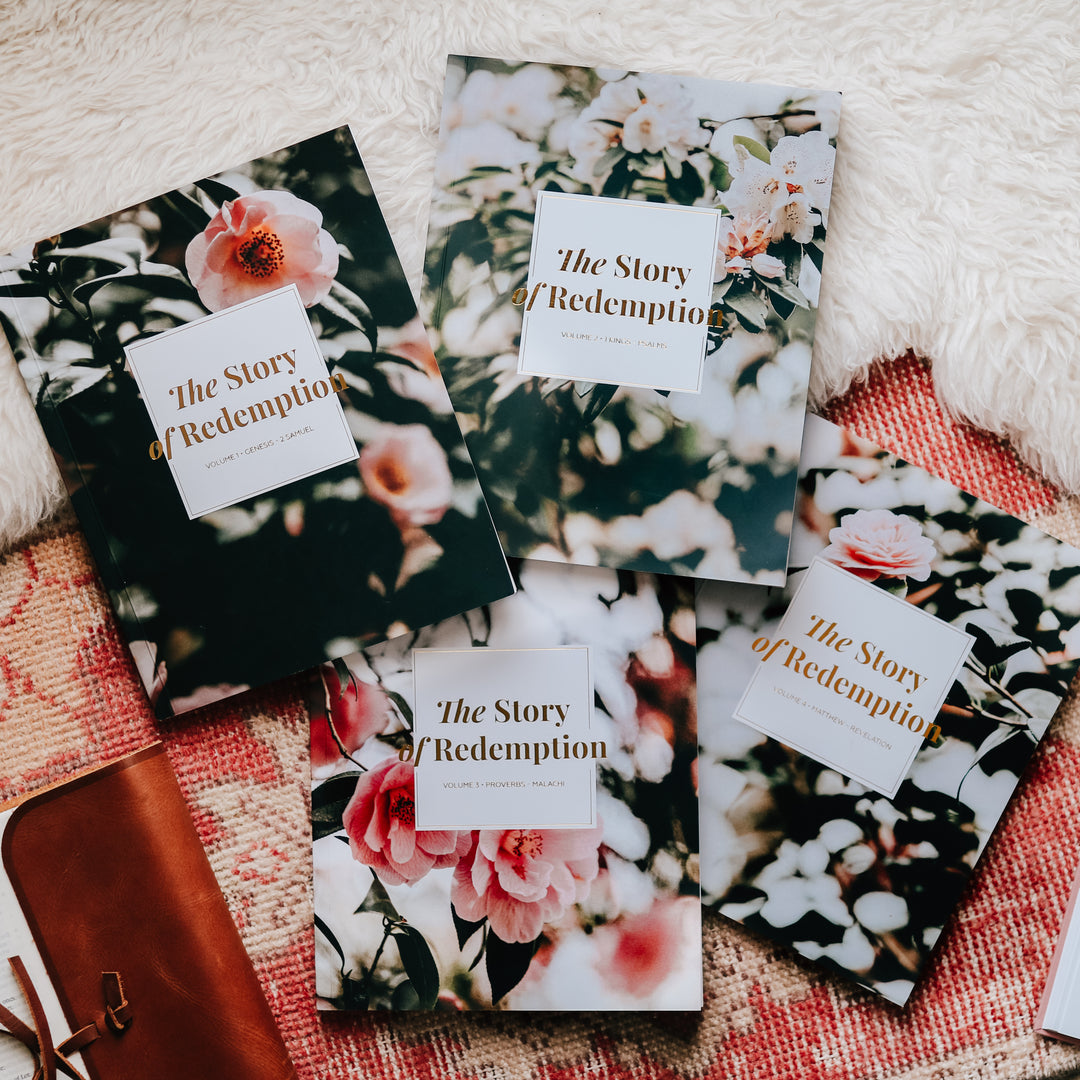
(And if that resonates with you, we think you might really enjoy The Story of Redemption.)
How to Read the Bible
Okay—let’s get to actually reading Scripture. To start, pick a book of the Bible, perhaps in the beginning of the book, in Genesis, or perhaps where Jesus enters the story in Matthew.
Wherever you start, consider these simple steps:
-
Find a reading plan or consider a Bible study to tell you exactly what to read each day.
-
Grab a journal and pen, or open up a digital note.
-
Read a passage, chapter, or book slowly.
-
Notice what stands out, what inspires, and what confuses you.
-
Take note of questions you have.
-
Read the commentary from your Bible study.
-
Consider finding someone to read the Bible with.
-
Repeat daily and build the habit of Bible reading.
The Goal of Reading the Bible
The best news of all is that you’re holding the best news of all. That’s right; the Bible is not advice, it’s news—really good news. Why? Because it’s news about Jesus (that’s what “gospel” means). If you’re wondering what the point of reading the Bible is, what the “end goal” is, it’s Jesus. The purpose of the Bible is to lead you into an experience with the real, living, in-love-with-you Jesus.
He can’t wait to be with you as you read about Him, and to meet you in even the most unlikely places in the story you’re starting. What an adventure!
Author Bio:
Brian Sherman is a Marketing Copywriter for The Daily Grace Co. and an Associate Pastor at his church in Willis, Texas, where he lives with his wife and two daughters. He is passionate about discipleship, equipping the body of Christ, and making the deep truths of Scripture accessible to everyone.
Unlock a 10% off coupon!
Additional Resources for Reading the Bible:
| Christ in All of Scripture | 4 Volume Set | Year-Long Bible Study | The Bible Handbook: A Book-by-Book Guide to the Entire Bible | The Story of Redemption Bible Study Bundle | Seasons in the Word | Bible Reading Plans | ||||

Loading price… |
Loading price… |
Loading price… |

Loading price… |
||||
| Add to Cart | Add to Cart | Add to Cart | Add to Cart |