






Do you ever feel like you’re just waiting for “the other shoe to drop,” as the old idiom goes—mentally preparing for something in your life to suddenly take a turn for the worse?
I’ve found this feeling creeps in during both good and bad seasons of life. In a really great season, you might hear thoughts like, Don’t get too comfortable; this won’t last forever. And in a hard season, you may find yourself bracing for the next hit rather than believing things could actually get better.
Right now, I’m praising God because I truly feel His grace in this “good” season of my life. Yet the constant battle I’ve faced for most of it has been the urge to anticipate a horrible turn. That struggle led me to ask: What is the biblical perspective on this kind of anticipation?
Is This Seen in the Bible?
The Protoevangelium
There are countless self-help articles, counseling resources, and perspectives from other religions that speak to this feeling—but what does the Bible say? While Scripture does not offer a direct teaching or parable about “waiting for the other shoe to drop,” it does repeatedly address the concept of anticipation, which lies at the heart of this mindset.
One of the earliest and most significant examples appears in Genesis 3:15, commonly known as the protoevangelium, or “first gospel.” This verse gives us the first glimpse of anticipating redemption through the offspring of Eve: “I will put hostility between you and the woman, and between your offspring and her offspring. He will strike your head, and you will strike his heel.”
As a result of this dialogue between God and Satan in the garden of Eden, humanity is given reason for hopeful anticipation—that sin and death will one day be defeated through someone from Eve’s lineage. Redemption is coming. This moment of hope changed the course of history and reshapes the lens through which believers anticipate the future.
The Day of the Lord
Another theme of anticipation is found in the Bible’s recurring reference to “the Day of the Lord.” The prophets often spoke of this future day with a blend of warning and hope. For those living in rebellion against God, it was a day to dread; for those who trusted in Him, it was a day of vindication, restoration, and joy.
What’s striking is that the same future event could inspire either fear or hope depending on a person’s heart posture. This pattern carries into the New Testament, where believers are repeatedly reminded of Christ’s return—not so they would live in anxiety, but so they would live faithfully, ready and confident upon His return (Matthew 24; 1 Thessalonians 5).
Biblical anticipation, then, is not about bracing for disaster. It is about anchoring ourselves in God’s promises and character, trusting that He will restore all things to their original perfection, just as He promised back in Genesis 3:15.
Earthly Comfort Versus Heavenly Anticipation
I won’t pretend it’s easy. It’s uncomfortable to think about losing the things we love here on earth—even though we know they were never meant to last. Much of our anxiety comes from attaching ultimate security to things God never intended to be permanent: things like relationships, jobs, health, stability, or peaceful seasons.
When those things are good, we’re tempted to cling to them tightly and protect them at all costs. When they’re difficult, we’re tempted to assume that things will only get worse. Both responses reveal the same underlying issue—we are looking to our circumstances rather than Christ as our source of safety.
Scripture consistently redirects our anticipation upward. Paul reminds us that “our momentary light affliction is producing for us an absolutely incomparable eternal weight of glory” (2 Corinthians 4:17). This doesn’t minimize suffering, but it does reframe it. Our hope is not that good seasons never end, but that God never changes.
How Should We Anticipate?
As believers, we know we face spiritual warfare daily, often most noticeably in our thought lives. Anticipating “the other shoe to drop” can feel wise or realistic—but when left unchecked, it becomes a subtle form of unbelief. It assumes that what God has given cannot ultimately be trusted back to Him.
This is why Paul’s command to “take every thought captive to obey Christ” (2 Corinthians 10:5) is so crucial. Anticipation itself isn’t the problem; the object of our anticipation is. Are we rehearsing imagined futures shaped by fear, or are we allowing the truth of the gospel to shape our expectations?
One of the most compelling aspects of the gospel is that it produces hopeful anticipation rather than dreadful expectation. Even suffering is not meaningless in Christ. Even loss is not final. Even death does not get the last word.
And even if our feared visions of “the other shoe dropping” do come to pass, Jesus’s finished work on the cross has already secured hope for us. The Holy Spirit will supply the grace we need to endure it. This is not the end of the story—and the Author of life knows exactly when and how to wield the pen.
Applying This to Your Life
Applying this truth to everyday life is easier said than done. A good place to start is by identifying what fuels this sense of dread within you. What are the drivers behind this anticipation? Anxiety? Fear? Past disappointment? Pain that has hardened into cynicism?
For me, I recognize that I’m currently surrounded by many good gifts—and part of me wants to guard them by expecting the worst. Ironically, that mindset steals joy from the present and trust from God. Jesus reminds us that tomorrow has enough trouble of its own (Matthew 6:34), not so we ignore reality, but so we learn to live fully today with confidence in Him.
The Christian life is not about waiting for the other shoe to drop. It’s about waiting for Christ. Whether we stand in seasons of blessing or walk through seasons of loss, God’s purposes are advancing. The biblical call is not anxious anticipation, but steadfast hope—rooted not in circumstances, but in the God who holds them all.
Choose a Scripture that directly confronts whatever drives your tendency toward gloom and doom. For me, that Scripture is Philippians 4:8: “Finally brothers and sisters, whatever is true, whatever is honorable, whatever is just, whatever is pure, whatever is lovely, whatever is commendable—if there is any moral excellence and if there is anything praiseworthy—dwell on these things.”
“Whatever is true…”
That phrase is the part of this passage that stops my dreadful anticipation every single time. The things I find myself waiting for “the other shoe to drop” over are not actually true. They are imagined futures—fantasies formed out of fear—not tangible realities I am presently living in.
While it may feel more comfortable to brace ourselves for disaster, faith calls us to something better. Resisting dreadful anticipation is an act of trust in God. The reality is this: the power of every shoe dropping ended with Christ’s resurrection, and He is still actively at work in your life today.
So take heart. Remain faithful to Him. Our hope does not rest in our ability to predict the worst, but in the finished work of Christ and the unchanging goodness of the God who holds our future.
Author Bio:
Patricia Vachula is a Ph.D. student in Biblical Exposition at Liberty University. She is passionate about studying and unpacking Scripture within its literary and historical context and delights in helping others engage the Bible faithfully and clearly. She is originally from Long Island, New York, and now resides in Lynchburg, Virginia.
Unlock a 10% off coupon!
Additional Resources:
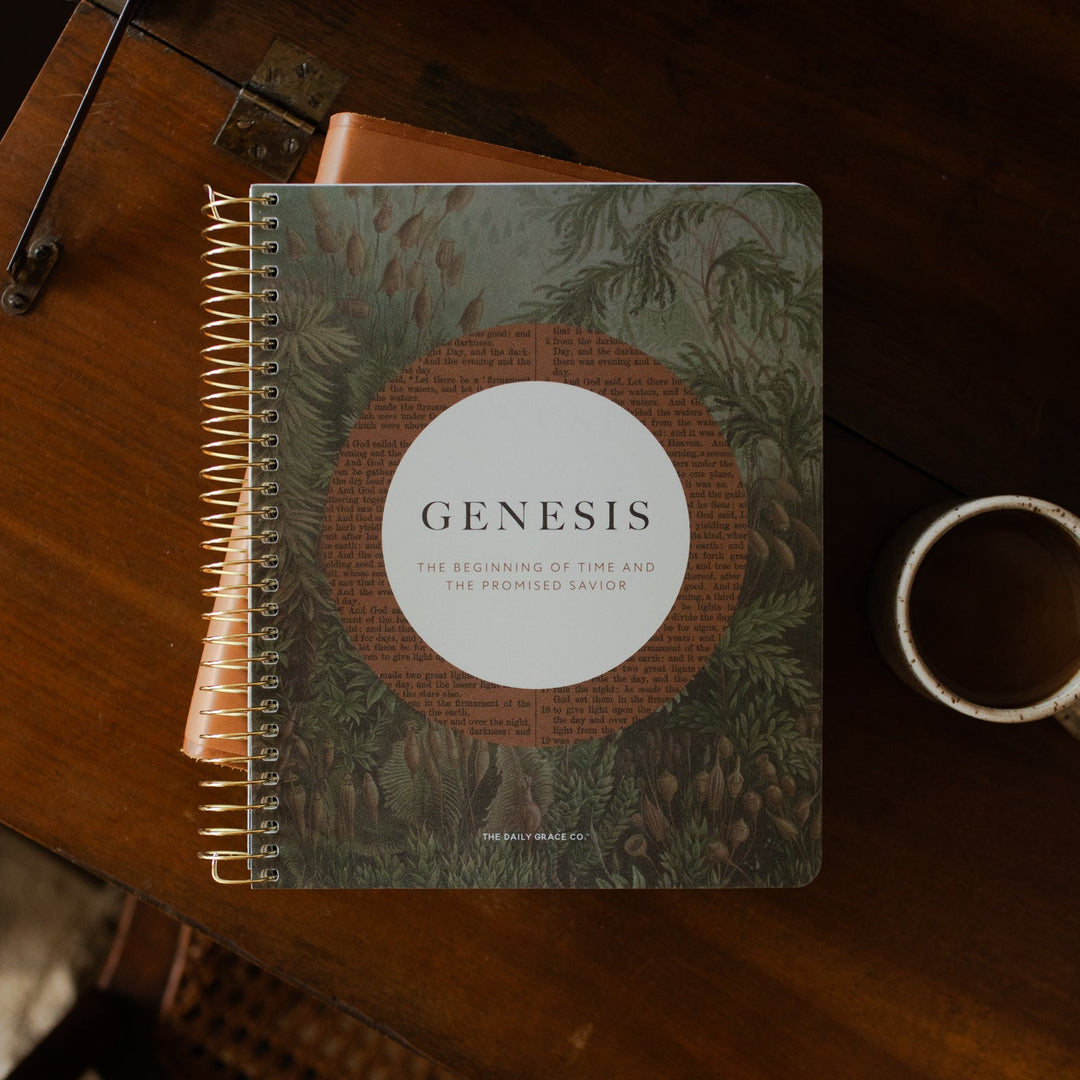
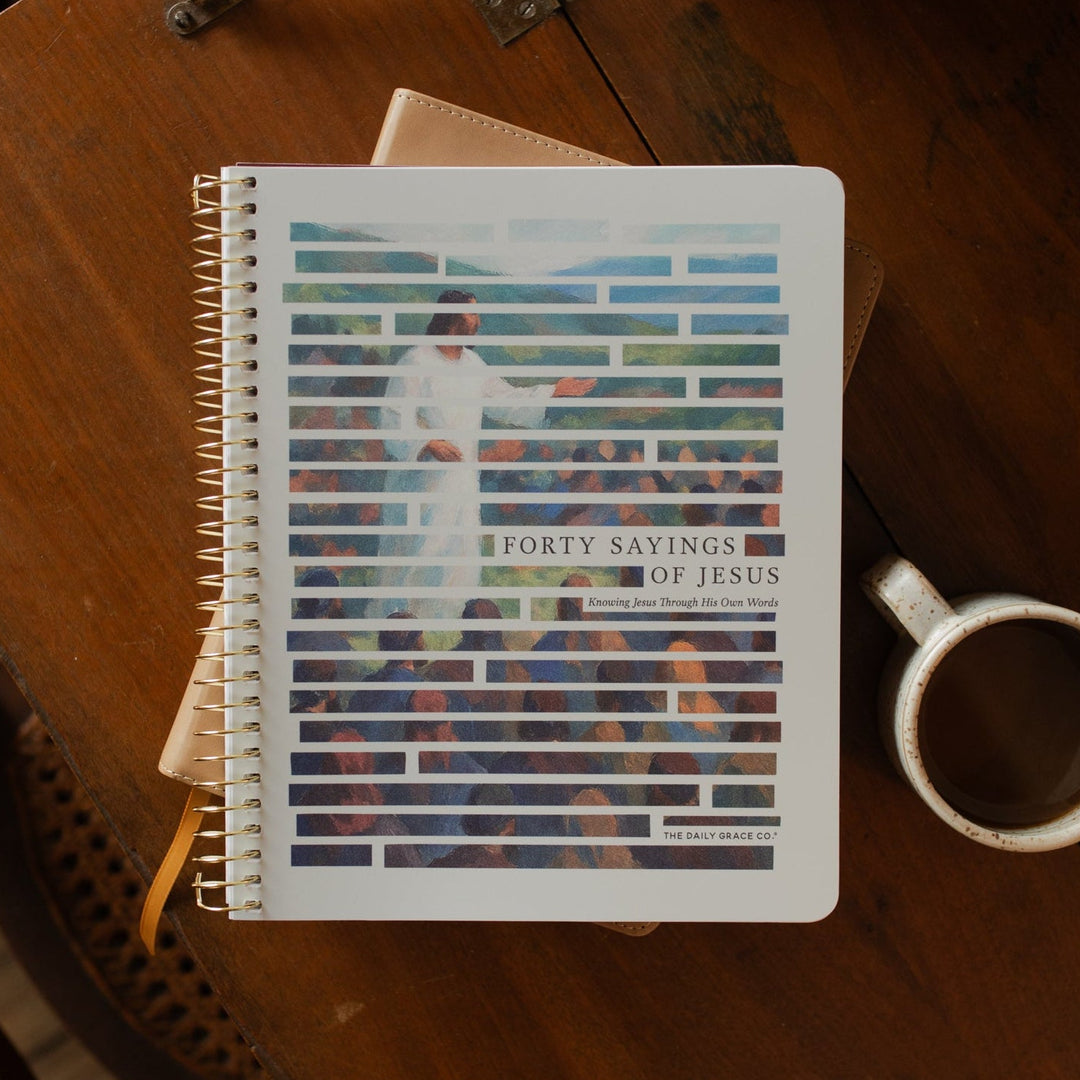
| In Christ Alone | Romans Bible Study | Daily Grace | How Jesus Answers Our Heartache with Himself | Genesis Bible Study | Forty Sayings of Jesus Bible Study | ||||

Loading price… |
 |
Loading price… |
Loading price… |
||||
| Add to Cart | View Blog | Add to Cart | Add to Cart |